



NEWS&EVENTS
Home > News&Events > Company news > Control of antimony volatilization in oxidizing atmosphere of rotary kiln
During the production of antimony trioxide from antimony ore, the oxidizing atmosphere within the Rotary furnace is crucial for controlling antimony volatilization. Under a suitable oxidizing atmosphere, antimony metal reacts vigorously with oxygen at high temperatures to form antimony trioxide. This reaction changes the chemical form of antimony and increases its volatility, allowing antimony atoms to more easily break free from their metal bonds and escape from the metal surface into the gas phase as antimony trioxide molecules.
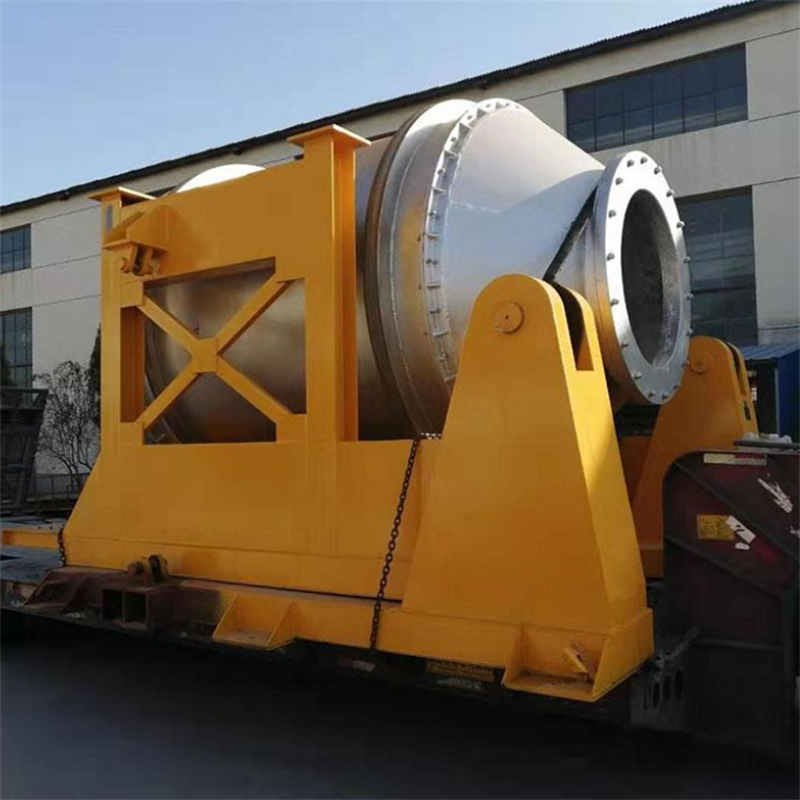
The intensity of the oxidizing atmosphere directly affects the rate and efficiency of antimony volatilization. If the atmosphere is too weak, insufficient oxygen inhibits the antimony oxidation reaction, reducing volatilization and impacting antimony trioxide yield. If the atmosphere is too strong, while it accelerates antimony oxidation and volatilization, it can trigger side reactions, such as the formation of higher-valent antimony oxides or complex compounds, reducing the purity of antimony trioxide.
Thus, precise control of the oxidizing atmosphere is crucial during rotary kiln operation. This can be achieved by adjusting ventilation, fuel type, and combustion method. Increasing ventilation can enhance the atmosphere, while selecting low-oxygen fuels or adjusting the combustion method can weaken it.
In addition, the oxidizing atmosphere also affects the particle size and distribution of antimony trioxide. Under suitable atmosphere, gaseous antimony trioxide molecules cool and condense into fine particles with large specific surface area, which is conducive to collection and treatment; improper control will cause the particles to be too large or unevenly distributed, affecting the performance of the product.
In short, the oxidizing atmosphere in the rotary furnace is the key factor in the conversion of antimony ore into antimony trioxide. Scientific and reasonable regulation can optimize antimony volatilization behavior, increase output and purity, and lay the foundation for the sustainable development of the antimony chemical industry.