



NEWS&EVENTS
With the rapid expansion of the photovoltaic, semiconductor, and high-end alloy material markets, the demand for high-purity antimony (electrolytic antimony) continues to climb. However, when faced with crude antimony raw materials of complex composition—which often contain difficult-to-remove impurities such as iron, lead, and arsenic—traditional pyrometallurgical refining methods often prove inadequate. How, then, can one overcome these purification bottlenecks and achieve a "multiplication in value" for the product? Electrolytic equipment provides the key answer.
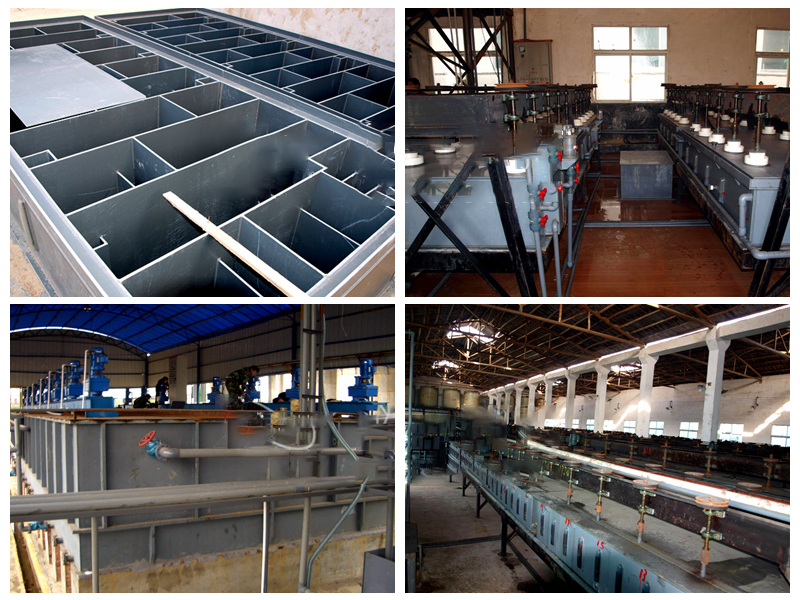
By employing a hydrometallurgical electrolytic process—utilizing crude antimony plates as anodes—antimony is dissolved from the anode and deposited onto the cathode under the influence of an electric field. Meanwhile, impurities such as iron, lead, and arsenic are effectively retained within the anode slime or the electrolyte solution due to differences in electrochemical potential. This process circumvents the limitations of conventional pyrometallurgical refining—which struggles to achieve deep-level impurity removal—and directly yields cathode antimony with a purity exceeding 99.9%, thereby laying a solid foundation for high-end applications.
In actual production, the crude antimony first undergoes preliminary impurity removal in a rotary refining furnace to form anode plates with a more stable composition; it then proceeds to the electrolytic stage for further purification within a precisely controlled electrolytic system. The seamless integration of these sequential processes not only ensures the thorough removal of impurities but also achieves a qualitative leap in product quality—transforming "crude antimony" into "high-purity antimony."
For clients dealing with complex raw materials and significant fluctuations in impurity levels, the adoption of electrolytic equipment signifies a substantial upgrade in product grade—elevating ordinary crude antimony to high-value-added, high-purity antimony, and truly realizing a "multiplication in value." This represents both an imperative choice for meeting the demands of high-end markets and a core strategy for expanding profit margins.