



NEWS&EVENTS
Home > News&Events > Company news > End-to-end customized solutions for electrolytic copper equipment
In the copper smelting and refining industry, electrolytic copper equipment serves as core production machinery; its performance directly determines cathode copper purity, production capacity, and overall energy consumption. As different enterprises have varying requirements regarding raw material composition, production scale, energy conditions, and automation levels, standardized equipment often struggles to balance efficiency with cost-effectiveness. Consequently, customized design and configuration based on actual operating conditions have become the prevailing trend in equipment selection. The following outlines customization across four dimensions: capacity, power supply, auxiliary equipment, and process parameters.
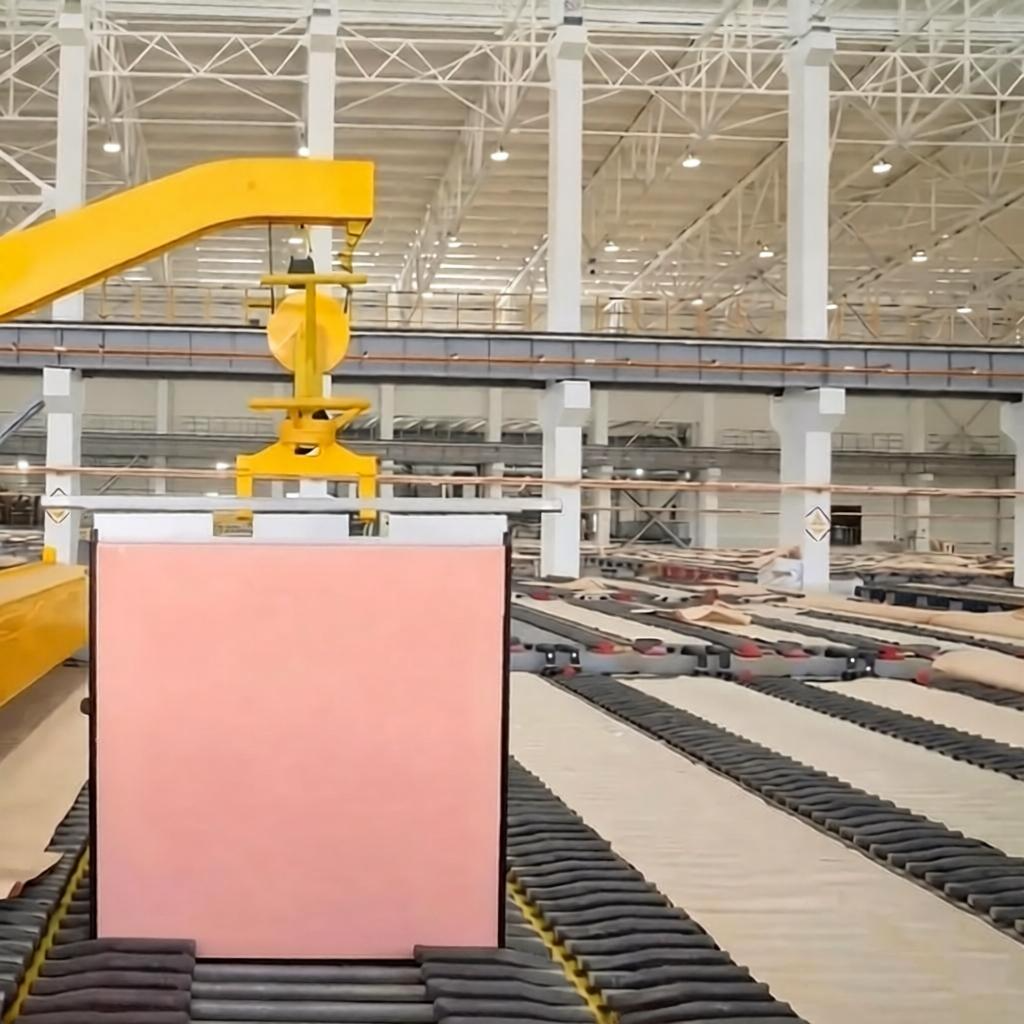
1. Capacity Customization
The capacity of electrolytic cells and associated tanks can be tailored to the customer's raw copper grade, impurity composition, and target production capacity; dimensions such as cathode chamber size, electrode spacing, and overall equipment footprint can be designed to meet specific needs.
2. Power Supply Customization
Various power supply types—such as thyristor rectifiers and high-frequency switching power supplies—are available to accommodate regional electricity pricing policies, grid conditions, and DC power consumption requirements.
3. Auxiliary Equipment Customization
Ancillary equipment—including automatic cathode stripping machines, anode reshaping units, cathode washing units, and electrolyte circulation/filtration systems—can be configured to meet customer needs, enabling an automated electrolysis production line.
4. Process Customization
Electrolyte formulations, current density, electrode spacing, and circulation methods are customized based on raw material types (e.g., blister copper anodes, scrap copper, black copper) and target cathode copper quality, ensuring optimal cathode purity and DC power consumption metrics.
Customization Process: The customer provides details regarding raw copper composition, target capacity, on-site power conditions, and automation requirements. Based on this information, the manufacturer develops proposals for cell types, power supply configurations, auxiliary equipment, and workshop layouts; production commences following customer confirmation.