



NEWS&EVENTS
Home > News&Events > Company news > The core technologies and process advantages of copper smelting in tilting rotary furnaces.
The tilting rotary furnace, as a core piece of equipment in modern copper smelting, demonstrates significant advantages in efficiency, intelligence, environmental protection, and adaptability, thanks to its advanced technical design and process integration. It has become a crucial driving force for the transformation and upgrading of the copper smelting industry.
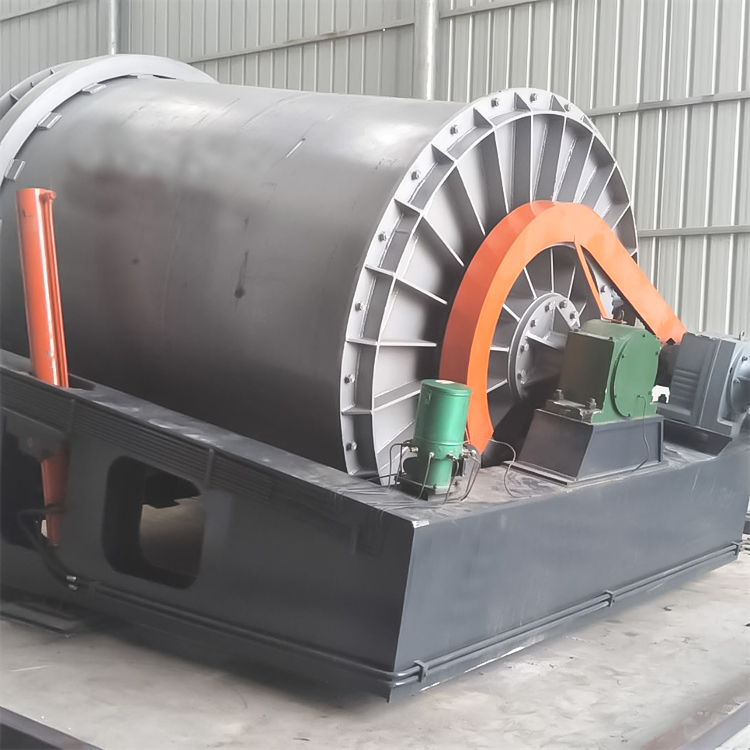
In terms of efficient smelting and reaction design, the tilting rotary furnace achieves full contact between the furnace charge and reaction gases through its optimized furnace structure and rotating and tilting mechanism. Combined with high-performance refractory materials and a precise combustion control system, the furnace maintains a uniform and stable temperature field, significantly improving chemical reaction efficiency. This results in a significantly higher copper recovery rate, effectively lower copper content in the slag, and industry-leading energy utilization efficiency.
The intelligent control system is the brain that ensures its efficient and stable operation. Based on an advanced PLC control system, it achieves automated closed-loop control of key parameters such as feeding, temperature, pressure, and rotation speed. Combined with online composition monitoring and data analysis, the system can optimize process parameters in real time, provide early warnings of potential faults, and ensure the continuity, safety, and consistency of the production process and product quality.
Environmental protection and energy-saving technologies are integrated throughout the entire process. The advanced flue gas treatment system incorporates a waste heat recovery device, significantly reducing energy consumption. Low-NOx combustion technology, combined with high-efficiency bag filters, achieves ultra-low emissions of dust and fumes. In addition, dynamic sealing technology is used in key parts of the furnace body.
This furnace type also boasts excellent raw material adaptability and operational flexibility. It can efficiently process various copper concentrates, scrap copper, and intermediate materials, with high tolerance for compositional fluctuations. By flexibly adjusting parameters such as tilt angle and rotation speed, it can quickly respond to the needs of different raw material ratios and product schemes, providing strong technical support for smelting enterprises to cope with market changes and achieve comprehensive resource utilization.
In summary, the tilting rotary furnace, through technological integration and innovation, has achieved high efficiency, intelligence, and environmental friendliness in the copper smelting process, representing the current development direction of copper smelting technology and possessing significant economic and environmental benefits.