



NEWS&EVENTS
Home > News&Events > Company news > How can you determine if a copper electrolytic cell is operating normally?
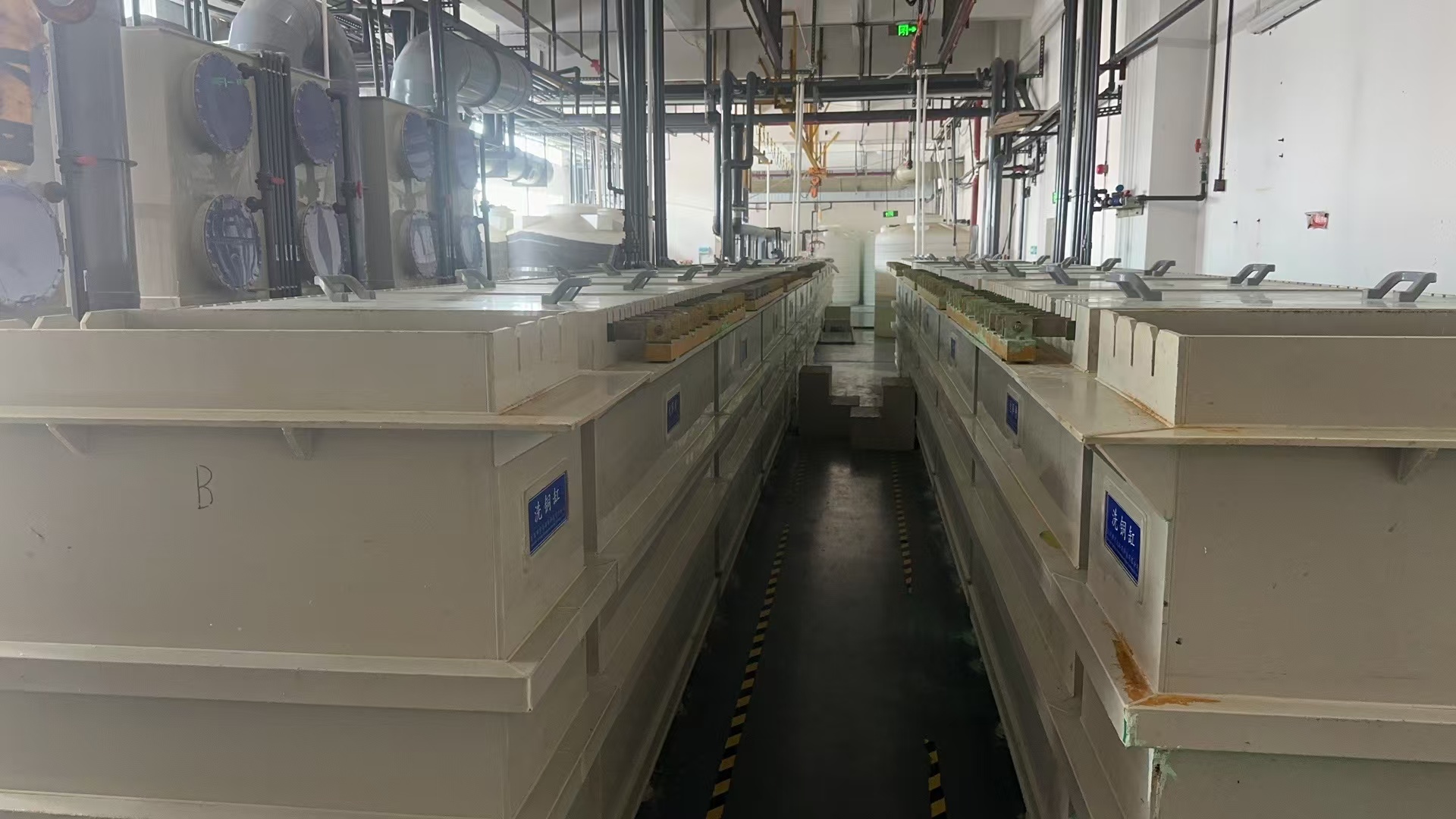
Copper electrolytic cells are the core equipment in copper refining, and their operational stability is crucial to the quality of cathode copper and production efficiency. On the production floor, inspection personnel can quickly determine whether the cells are operating normally by observing key visual indicators, enabling early warning and timely adjustments.
Firstly, the condition of the cathode surface is a direct "health indicator." Under normal conditions, the cathode surface should be uniform, dense, rose-red in color, and smooth and flat. If dark spots, black streaks, or spongy deposits appear, it may indicate co-deposition of impurities such as arsenic and antimony in the electrolyte, or localized abnormalities in current density. The appearance of dendritic crystals or nodular protrusions may indicate excessively high current density or an imbalance in additive proportions, which can easily lead to short circuits and reduced current efficiency.
Secondly, observe the bubble formation on the anode surface. A normal anodic reaction will produce small oxygen bubbles evenly and continuously, creating a slight boiling effect. Localized vigorous bubbling or even the formation of large bubble clusters indicates anode passivation or uneven quality of the anode plate; sparse overall bubbling may be related to low current or low electrolyte temperature.
Thirdly, the cell voltage is a core parameter reflecting the electrical operating conditions. In conventional copper electrolysis processes, the voltage of a single electrolytic cell is usually stable between 0.2 and 0.3 volts. An abnormally high voltage may indicate poor contact between the anode and cathode, short circuits due to foreign objects between the electrodes, or severe anode passivation; a low voltage may indicate a hidden short circuit between the electrodes.
Fourthly, the color and clarity of the electrolyte reflect the chemical environment of the system. Normal copper sulfate electrolyte should be clear and bright blue. If it becomes cloudy, it may indicate a large amount of anode sludge in suspension, affecting the purity of the copper.
Skilled operators comprehensively assess these aspects to fully and accurately determine the operating condition of the copper electrolytic cell in real time. These daily observations are the cornerstone for ensuring the stable, efficient, and high-quality operation of the electrolytic system.