



NEWS&EVENTS
Home > News&Events > Company news > The processing flow of scrap copper in a recycled copper smelting furnace.
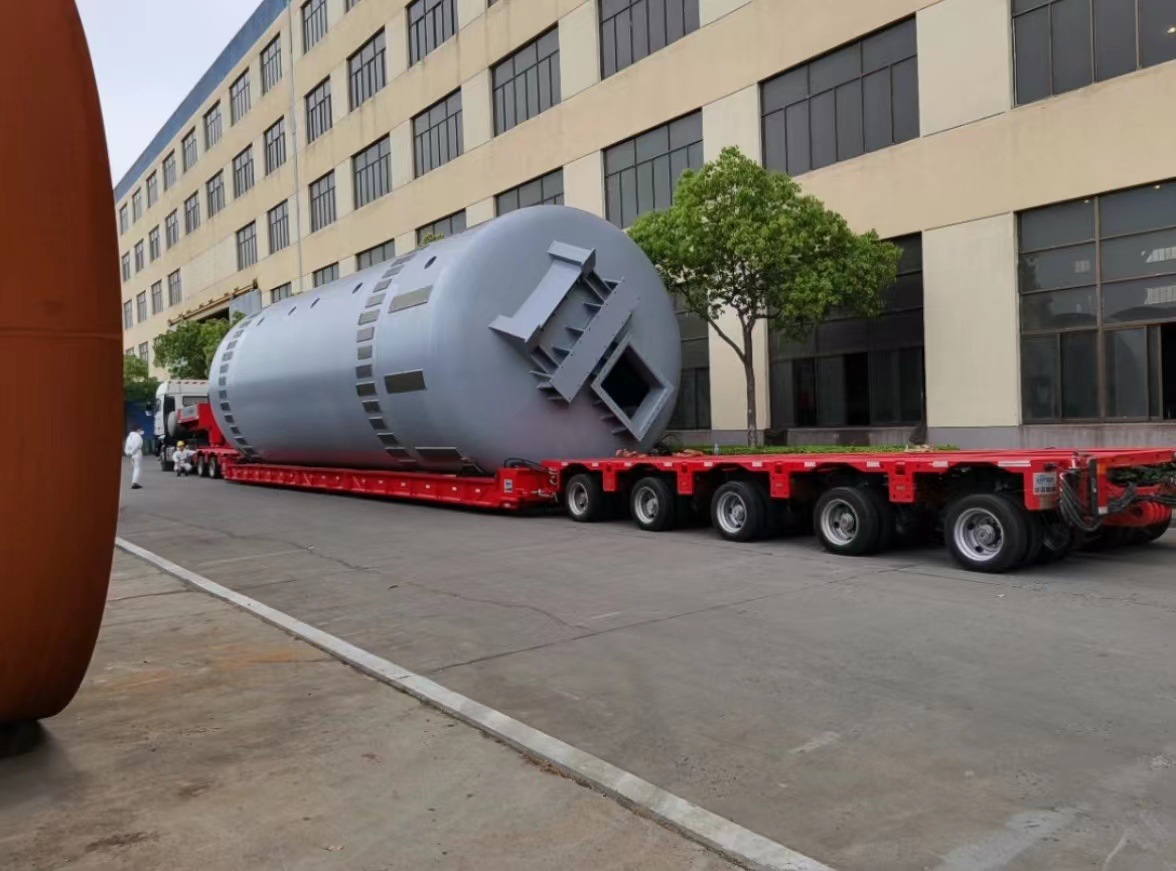
In the modern circular economy system, waste wires and cables are reborn as high-quality copper resources through a highly efficient recycling and refining system centered on a recycled copper smelting furnace. This process integrates physical separation and metallurgical technology, mainly divided into three stages: pretreatment, pyrometallurgical refining, and final product forming.
First stage: Intelligent pretreatment, efficient stripping
Waste wires and cables are first crushed and pulverized into small fragments. Then, through advanced technologies such as airflow separation and electrostatic separation, high-value copper metal particles are precisely separated from the plastic and rubber insulation layers, resulting in high-purity copper granules. The insulation layer can also be recycled or converted into energy, achieving initial resource utilization.
Second stage: Pyrometallurgical refining, deep purification
The clean "copper granules" are packaged and sent to a rotary anode furnace for smelting. First, they are melted at high temperature, then air is blown in for oxidation, converting easily oxidized impurities into slag or volatile substances for removal. Next, the crucial reduction process takes place, where reducing agents such as natural gas are injected to remove excess oxygen from the melt, finally obtaining anode copper liquid with qualified composition. The copper liquid is cast into anode plates, preparing for the final high-purity product.
Third stage: Electrolytic refining and green closed loop
The anode plates enter the electrolytic cell for electrochemical refining. Under the action of direct current, copper ions are deposited at the cathode, producing top-grade cathode copper with a purity of over 99.99%, which can be directly used in high-end manufacturing. The trace amounts of precious metals produced during the process are enriched in the anode mud, becoming valuable raw materials for extracting gold and silver.
The entire process is centered around the regenerative copper smelting furnace and incorporates strict environmental protection measures: smelting flue gas undergoes waste heat recovery, dust removal, and desulfurization to achieve ultra-low emissions; the slag, after copper recovery, can be used for building materials. It is this complete system, centered around the modern smelting furnace, that achieves the dual goals of metal recycling and environmental protection, truly completing a green closed loop of resource regeneration.