



NEWS&EVENTS
Home > News&Events > Company news > The core decision in selecting the type of aluminum melting furnace
In the aluminum processing industry, the selection of the aluminum melting furnace is crucial. It requires a comprehensive consideration of factors such as raw material characteristics, production scale, environmental requirements, and cost budget to determine the most suitable furnace type.
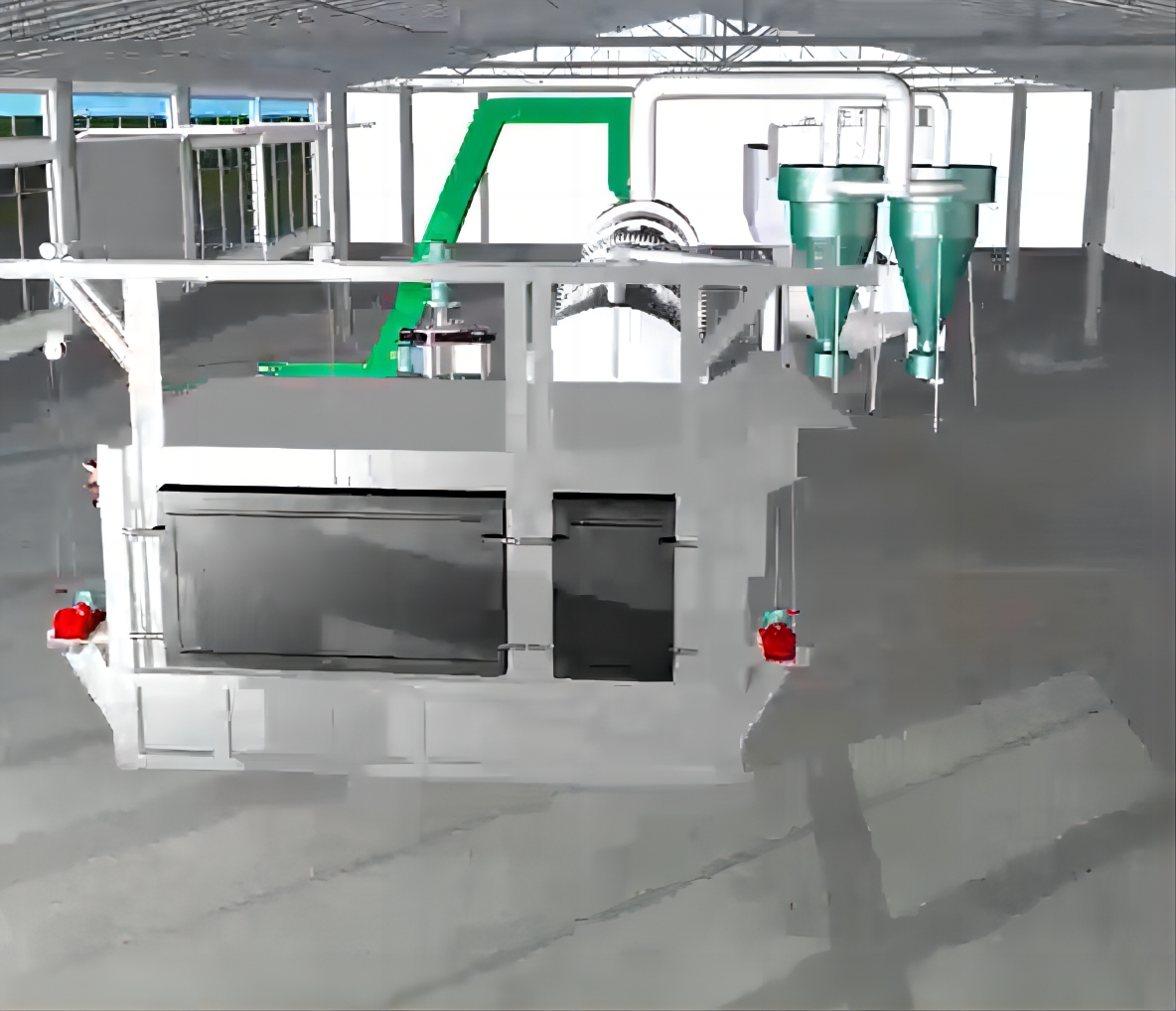
Raw material characteristics form the basis of selection. For clean aluminum ingots, a stationary aluminum melting furnace is ideal. Its simple structure, low manufacturing and maintenance costs, good sealing, and stable temperature control enable efficient remelting of clean aluminum ingots. For thin, light scrap aluminum, aluminum chips with many impurities, and fine fragments, a double-chamber side-shaft furnace is essential. It employs a double-chamber structure, with a dedicated scrap chamber for this type of scrap aluminum. An electromagnetic pump drives the aluminum liquid circulation, allowing fine fragments to be directly incorporated into the molten aluminum, resulting in low metal loss and high recovery rates. For multi-shaped scrap, a rotary kiln is suitable. Its rotating cylindrical drum allows different shapes of scrap to evenly contact the heat source and facilitates the removal of slag and dross.
Production scale also influences selection. For small-batch production, a tilting aluminum melting furnace is a good choice. Its tiltable furnace design allows for precise casting, meeting the needs of multi-batch, small-volume alloy production. For large-scale continuous production, a combination of a double-chamber side-shaft furnace and a stationary furnace is recommended. The double-chamber side-shaft furnace is highly efficient and environmentally friendly for processing recycled aluminum, while the stationary aluminum melting furnace is suitable for continuous production of standard aluminum alloys; combining the two can increase overall capacity.
With increasingly stringent environmental requirements, key areas must adopt the regenerative combustion and flue gas treatment technology of the double-chamber side-shaft furnace to reduce energy consumption and pollutant emissions. In terms of cost budget, a stationary furnace is the economical choice, saving initial investment; for mid-to-high-end needs, a tilting furnace or rotary furnace can be chosen, balancing performance and cost; for environmental priority, the double-chamber side-shaft furnace is the choice, although the cost is higher, the environmental benefits are significant.
In conclusion, the selection of an aluminum melting furnace requires a comprehensive consideration to achieve the production goals of high efficiency, environmental protection, and economy.