



NEWS&EVENTS
Home > News&Events > Company news > The Importance of Pressure Control in Rectangular Aluminum Melting Furnaces
The furnace pressure control, especially the micro-positive pressure control, of rectangular aluminum melting furnaces plays a crucial role in the aluminum smelting process, profoundly impacting production quality, efficiency, safety, and cost.
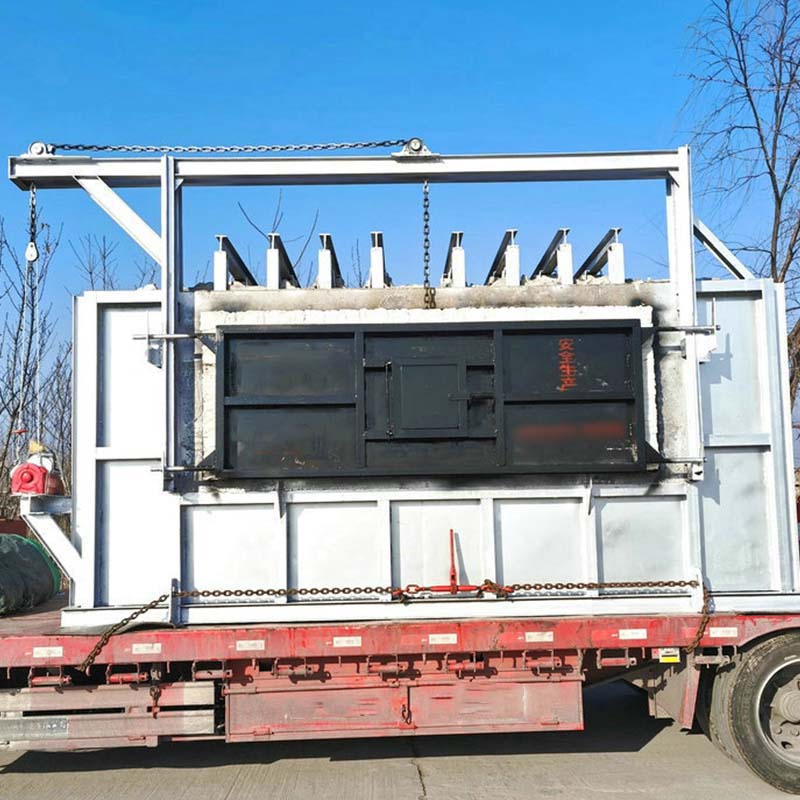
Furnace pressure control maintains a stable state by automatically adjusting the opening of the exhaust valve. When the furnace pressure is negative, a large amount of cold air from the outside is drawn into the furnace. The entry of cold air accelerates the contact reaction between the molten aluminum and oxygen, significantly increasing the oxidation loss of the aluminum. This not only reduces the aluminum yield but also severely compromises product quality, as alumina inclusions seriously affect the mechanical properties and surface quality of aluminum products. Simultaneously, the influx of cold air disrupts the uniformity of the temperature field within the furnace, leading to uneven furnace temperatures. Locally excessively low temperatures result in incomplete melting of the aluminum, while locally excessively high temperatures cause energy waste, leading to a significant increase in overall energy consumption and production costs.
Conversely, excessively high positive pressure within the furnace also causes numerous problems. High-temperature flue gas can leak out uncontrollably, primarily impacting the furnace door sealing mechanism. Prolonged exposure to this high-temperature gas can easily damage the sealing mechanism, affecting the door's proper closure and sealing effectiveness, further exacerbating furnace pressure instability. Moreover, the outward leakage of high-temperature flue gas poses a serious threat to operator safety, potentially causing burns and other accidents. Furthermore, the significant heat loss with the flue gas reduces energy efficiency and increases unnecessary energy consumption.
Therefore, precise furnace pressure control in rectangular aluminum melting furnaces, maintaining a slightly positive pressure state, is crucial for ensuring smooth aluminum smelting, improving product quality, reducing energy consumption, and ensuring operational safety, and must be given high priority.