



NEWS&EVENTS
Home > News&Events > Company news > The process from ore to antimony ingots and antimony oxide powder.
Antimony is a vital strategic metal used in the production of flame retardants and alloys. Modern antimony smelting processes utilize a closed-loop system—encompassing volatilization smelting, refining, and flue gas purification—to efficiently produce antimony ingots and antimony oxide powder while meeting stringent environmental emission standards.
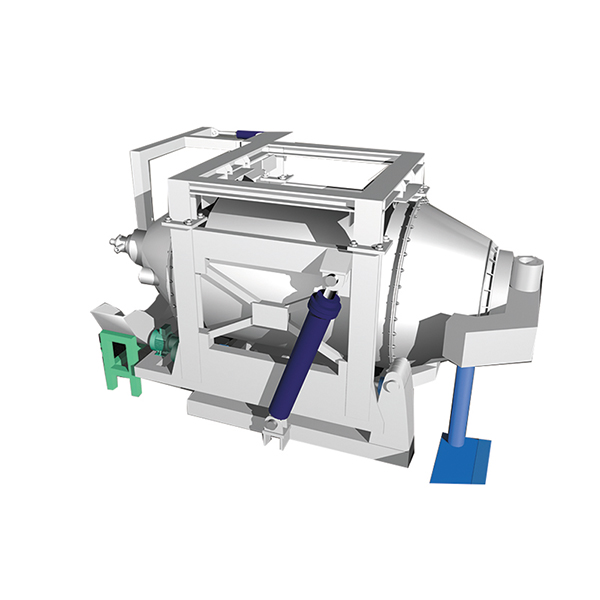
Production begins with the crushing and pre-treatment of antimony ore. The crushed ore is fed into a smelting furnace, where crude antimony is extracted via high-temperature volatilization smelting. This process generates significant volumes of high-temperature, sulfur-laden flue gas, which must be treated through a multi-stage purification system:
Cooling System: Rapid temperature reduction using cooling ducts.
Baghouse Dust Collection: Recovery of valuable metals (such as trace amounts of antimony trioxide) to prevent waste.
Desulfurization Spraying: Neutralization of acidic gases within a desulfurization tower.
Compliant Discharge: Safe release of purified exhaust gas into the atmosphere.
The crude antimony is charged into a refining furnace along with refining agents to remove impurities—such as iron and lead—and is converted into high-purity molten metal. This stage also features dedicated, high-efficiency dust collection and desulfurization systems to ensure an eco-friendly, pollution-free refining process.
Diverse End-Product Pathways
Based on market demand, the refined molten metal is channeled into two high-value-added product streams:
Process: Oxygen-blown oxidation causes the molten antimony to volatilize.
Recovery: Collected via cooling and dust filtration systems.
Application: Raw material for high-efficiency flame retardants.
Process: Molten antimony is fed into a chain-type ingot casting machine.
Output: Continuous casting into standard antimony ingots.
Application: Widely used in alloy manufacturing and the battery industry.
Sustainable Smelting: Closed-Loop and Environmental Advantages
The core strength of the modern antimony smelting industry lies in resource recovery and clean production. Multi-stage dust removal and desulfurization designs not only achieve zero waste of antimony resources but also minimize exhaust emissions. This production model—balancing high output with low pollution—is key to driving green development within the non-ferrous metals industry.