



NEWS&EVENTS
1. Selection based on processing scale
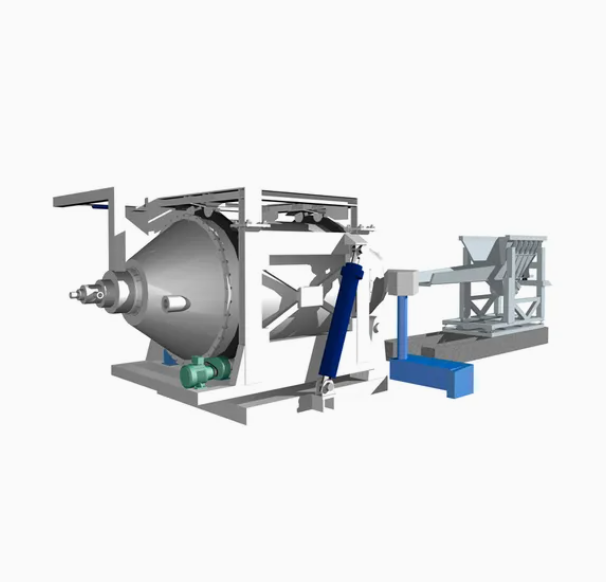
Select a rotary furnace of appropriate specifications based on the antimony ore processing capacity, ore powder feed rate, and target output of crude antimony.
If the system includes a rotary kiln and a refining furnace, consider the matching capacity of the entire production line to avoid bottlenecks or disconnects between process stages.
2. Selection based on process objectives
For crude antimony metal: Prioritize high-temperature reduction smelting capabilities, furnace temperature control, and material residence time.
For antimony ingots: Include auxiliary equipment such as a refining furnace, continuous casting machine, and robotic ingot stacking machine.
For antimony trioxide powder: Include auxiliary equipment such as a refining furnace (oxidation furnace), dust removal system, and antimony trioxide collection system.
3. Selection based on energy and waste heat recovery requirements
To improve overall line energy efficiency, select a rotary furnace system capable of supplying heat to the rotary kiln.
Focus on energy recycling designs to reduce overall energy consumption.
4. Selection based on environmental protection requirements
Include flue gas treatment systems such as annular flues, dust collectors, and desulfurization towers.
Focus on antimony trioxide recovery efficiency and compliance with final emission standards.
5. Selection based on automation level
Integrate equipment such as belt conveyors, feeders, and robotic ingot stackers to achieve automated process flow.
For continuous production, prioritize an automation control scheme for the entire line.
6. Selection based on site and supporting infrastructure
Consider the factory layout, equipment spacing, flue gas piping routes, and the placement of dust removal and desulfurization systems.
Ensure smooth material flow and connectivity between the rotary furnace, rotary kiln, refining furnace, and continuous casting machine.