



NEWS&EVENTS
Home > News&Events > Company news > For a new electrolytic copper project, how should the material for the electrolytic cells be selected?
The electrolytic cell is the core equipment in a copper electrolysis production line. It holds the copper sulfate electrolyte and houses the anode and cathode plates. The cell’s corrosion resistance and insulation properties directly influence current efficiency, product quality, and the continuous operational cycle of the production line; therefore, selecting the right type is a critical decision during the initial planning phase of a new project.
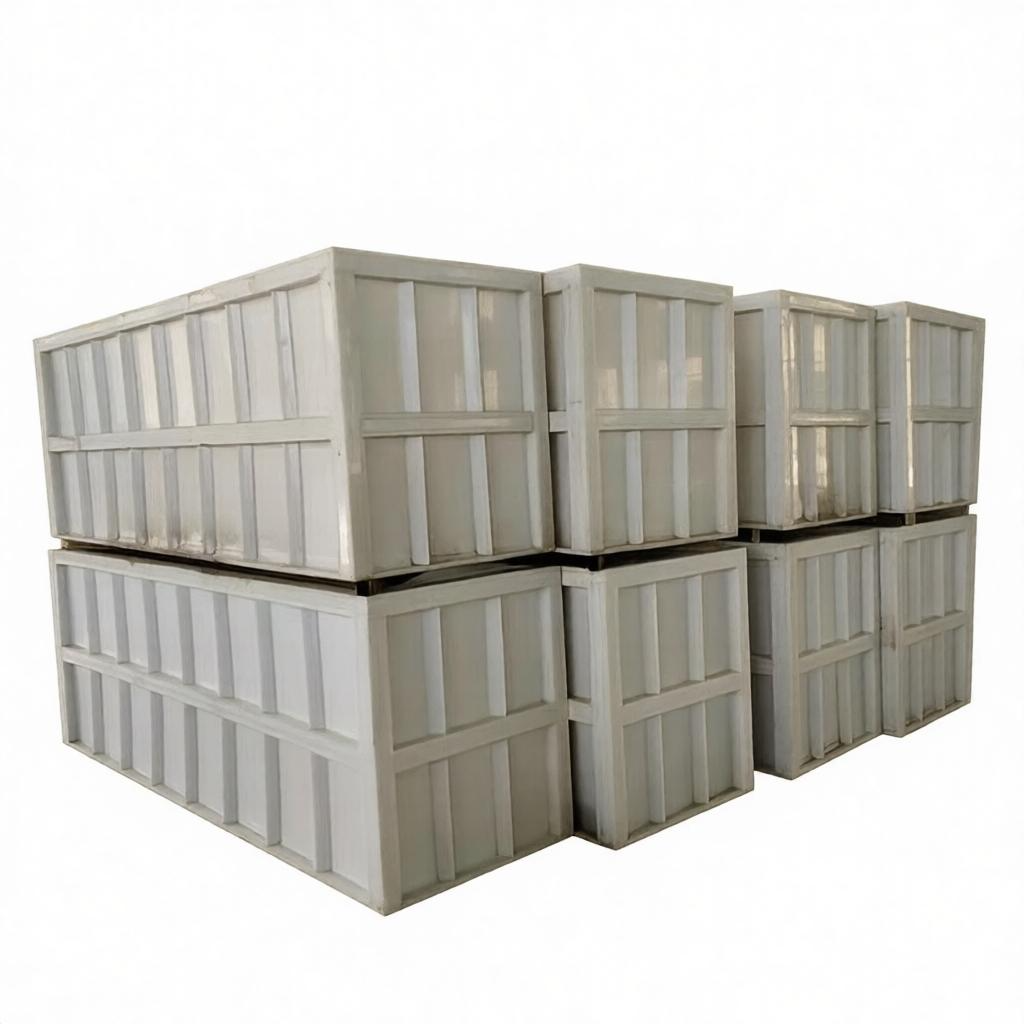
Three types of electrolytic cells are commonly used in the industry: fiber-reinforced plastic (FRP) cells, rubber-lined concrete cells, and polypropylene (PP) cells. FRP cells offer a balanced combination of corrosion resistance and insulation, feature a moderate weight, provide a long service life, and are easy to assemble, disassemble, and maintain—making them a highly cost-effective choice. Rubber-lined concrete cells are structurally robust and offer a lower cost per unit of production capacity, making them well-suited for large-scale operations; however, they are very heavy, and the rubber lining is prone to aging and delamination, which can lead to higher long-term maintenance costs. PP cells have a low initial procurement cost, a short lead time, and excellent insulation properties, but their structural strength is limited—they are susceptible to deformation at high temperatures and are typically used for small-scale production lines or pilot projects.
The selection process should be based on a comprehensive assessment of the project’s production capacity, electrolyte composition, and investment budget. For high-capacity, long-term production projects, FRP or rubber-lined concrete cells are the preferred options. For projects with limited budgets or small-to-medium production capacities, FRP cells are generally the best choice, while PP cells may be considered for pilot lines or short-term projects.
During the installation of copper electrolytic cells, insulation work is of paramount importance. Proper leveling of the cell foundation, installation of insulating pads, and effective sealing of joints are essential to prevent electrolyte leakage and electrical leakage between cells. These measures help reduce energy consumption and mitigate operational safety risks.