



NEWS&EVENTS
Home > News&Events > Company news > Processes for extracting precious metals such as gold, silver, platinum, and palladium from tailings
Tailings are solid waste discharged after the raw ore has undergone mineral processing. Due to the complexity of the ore properties and the limitations of mineral processing technology, they still contain considerable amounts of precious metals such as gold, silver, platinum, and palladium. They not only have significant recycling value but are also an important environmental protection measure for achieving zero-waste mining and a circular economy. The entire process can be divided into three core stages:
I. Raw Material Assessment and Pretreatment
For uneven tailings stockpiles, a grid sampling method is used for systematic sampling. The core analysis includes grade (content of precious metals such as gold), chemical phase (occurrence state), mineral composition, particle size distribution, and the presence of harmful elements.
During pretreatment, if the tailings are in the form of a slurry, they are first dehydrated and dried to reduce moisture content. Then, they are crushed and regrinded to fully separate the precious metal minerals from the gangue. Finally, the treated material is mixed with water and modifiers to form a slurry for use in the enrichment process.
II. Precious Metal Accumulation
To concentrate trace amounts of precious metals in tailings into small-volume, high-grade intermediate products to reduce costs and scale, gravity separation uses density differences for separation and is suitable for recovering coarse and medium-grained native gold. It is a low-cost and pollution-free pretreatment method. Flotation utilizes the hydrophobic properties of minerals and is a commonly used and effective method for treating sulfide-containing tailings. It can efficiently enrich fine-grained precious metals and produce concentrates that lay the foundation for subsequent metallurgical processes. Leaching is a direct enrichment method when the tailings are simple, the precious metals are easy to leach, and there is little interference. There are cyanide leaching and non-cyanide leaching (environmentally friendly alternatives for treating special tailings).
III. Metallurgical Extraction and Refining
Route 1 starts from flotation or gravity concentrate. The concentrate, which is high in sulfur, arsenic and organic carbon, is pretreated by roasting in a rotary kiln and fluidized bed roaster. It is then leached with cyanide or non-cyanide and then separated into solid and liquid solutions to obtain the precious liquor.
Route 2 starts from precious liquid and can be used to obtain gold mud through zinc powder replacement method, deoxygenation, replacement and filtration, or to obtain gold foil through activated carbon adsorption/desorption-electrowinning method, adsorption, desorption and electrowinning.
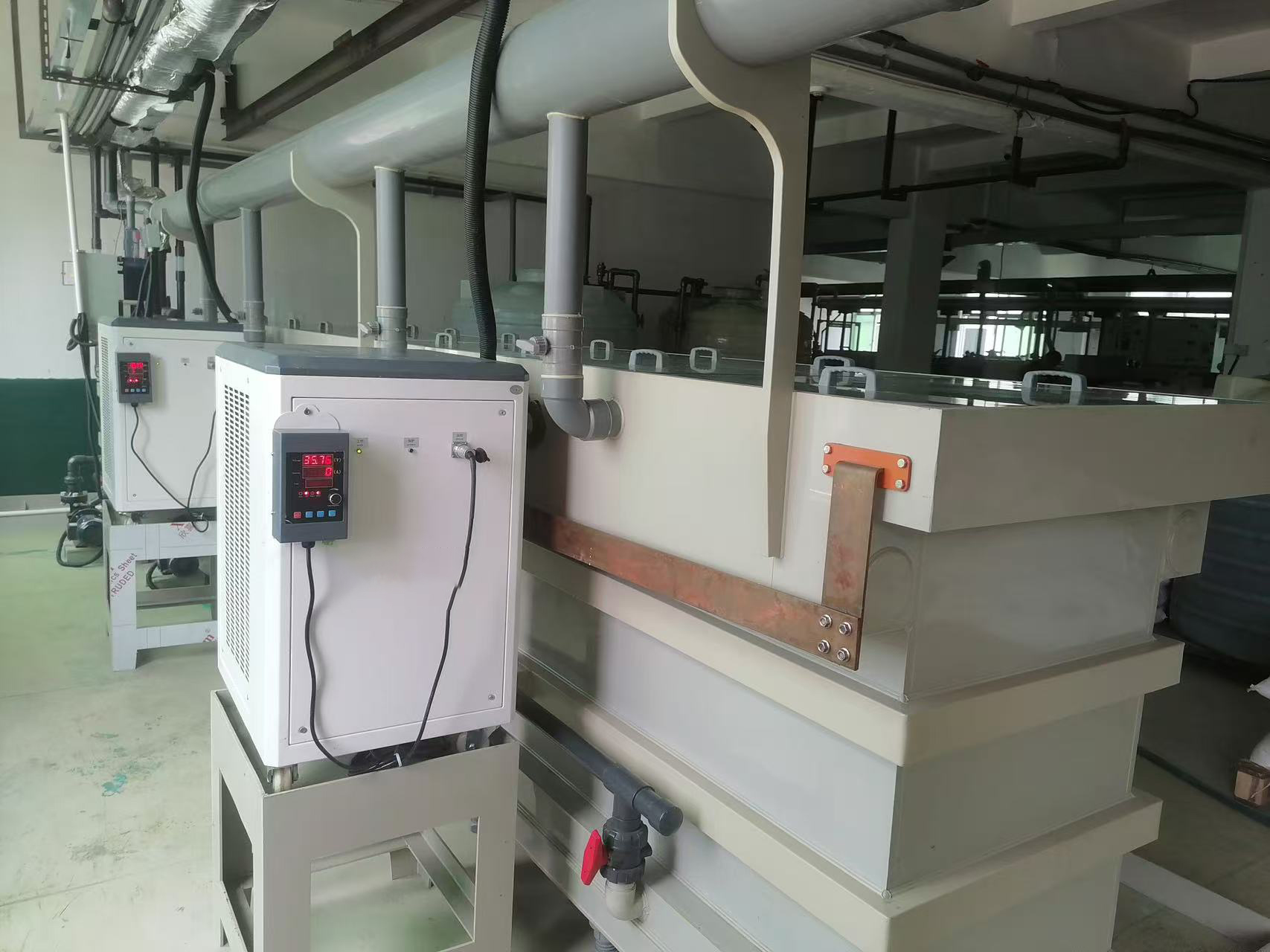
In the final refining process, gold and silver electrolytic refining uses crude gold as the anode and pure gold sheets as the cathode to obtain high-purity pure gold and anode mud. Platinum and palladium are produced using anode mud as raw material, which is dissolved and purified by aqua regia. Gold is precipitated with a reducing agent, platinum is precipitated with ammonium chloride, and palladium is precipitated with ammonia. Modern solvent extraction technology can efficiently and selectively separate platinum and palladium, with product purity reaching 99.95% - 99.99%.
Through the above-mentioned process steps, valuable precious metals in tailings can be efficiently recovered, creating significant economic and social benefits.