



NEWS&EVENTS
Home > News&Events > Company news > Best practices for improving the smelting efficiency of copper tilting rotary furnaces.
In the field of copper smelting, the operating efficiency of tilting rotary furnaces is crucial to a company's core competitiveness and sustainable development. Given environmental regulations and market competition, exploring efficiency-improving practices is an inevitable choice.
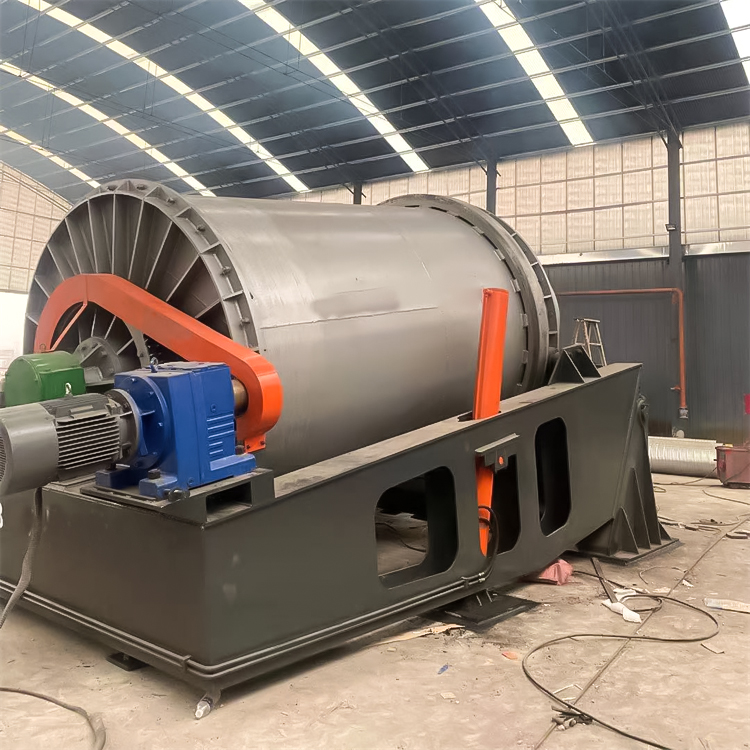
The core of the process is precise control of the furnace charge. The charge composition is a delicate balance of chemical reactions that determines energy utilization and emissions. Optimizing the proportions of copper concentrate and other materials can improve thermal efficiency and reduce fuel consumption. The key is to closely monitor and rapidly analyze the chemical composition of the materials entering the furnace, establishing a comprehensive quality tracking system. This allows operators to dynamically adjust parameters based on real-time data, enabling "process control based on material composition," thus stabilizing furnace conditions, shortening cycles, increasing recovery rates, and reducing energy waste and abnormal emissions.
The driving force behind this technology stems from automation and data empowerment. By introducing advanced sensing, automated control, and real-time data analysis platforms, a sensor network can be deployed to collect and monitor the status of the furnace and equipment. The intelligent control system automatically performs precise operations based on models or algorithms, keeping the smelting process within an efficient and low-consumption range. This improves operational accuracy and stability, avoids human-induced fluctuations, and allows for in-depth data analysis to enable predictive maintenance and reduce unplanned downtime.
Furthermore, a predictive maintenance system is crucial. Regular maintenance schedules are dynamically optimized based on real-time equipment conditions, shifting from time-based maintenance to condition-based maintenance, ensuring reliable equipment operation and maximizing operational time.
In summary, improving the smelting efficiency of copper tilting rotary furnaces is a systemic engineering project that integrates refined management and intelligent technologies. By focusing on precise control of furnace materials and leveraging automation and digitalization, companies can achieve efficient and stable production while meeting environmental standards, thus achieving a win-win situation in terms of both economic and environmental benefits, and completing a profound transformation towards high-quality and sustainable development.