



NEWS&EVENTS
Home > News&Events > Company news > How is the collection and processing of anode slime related to the operation of copper electrolytic cells?
The collection and processing of anode slime are closely linked to the operation of the electrolytic cell, mainly in the following aspects:
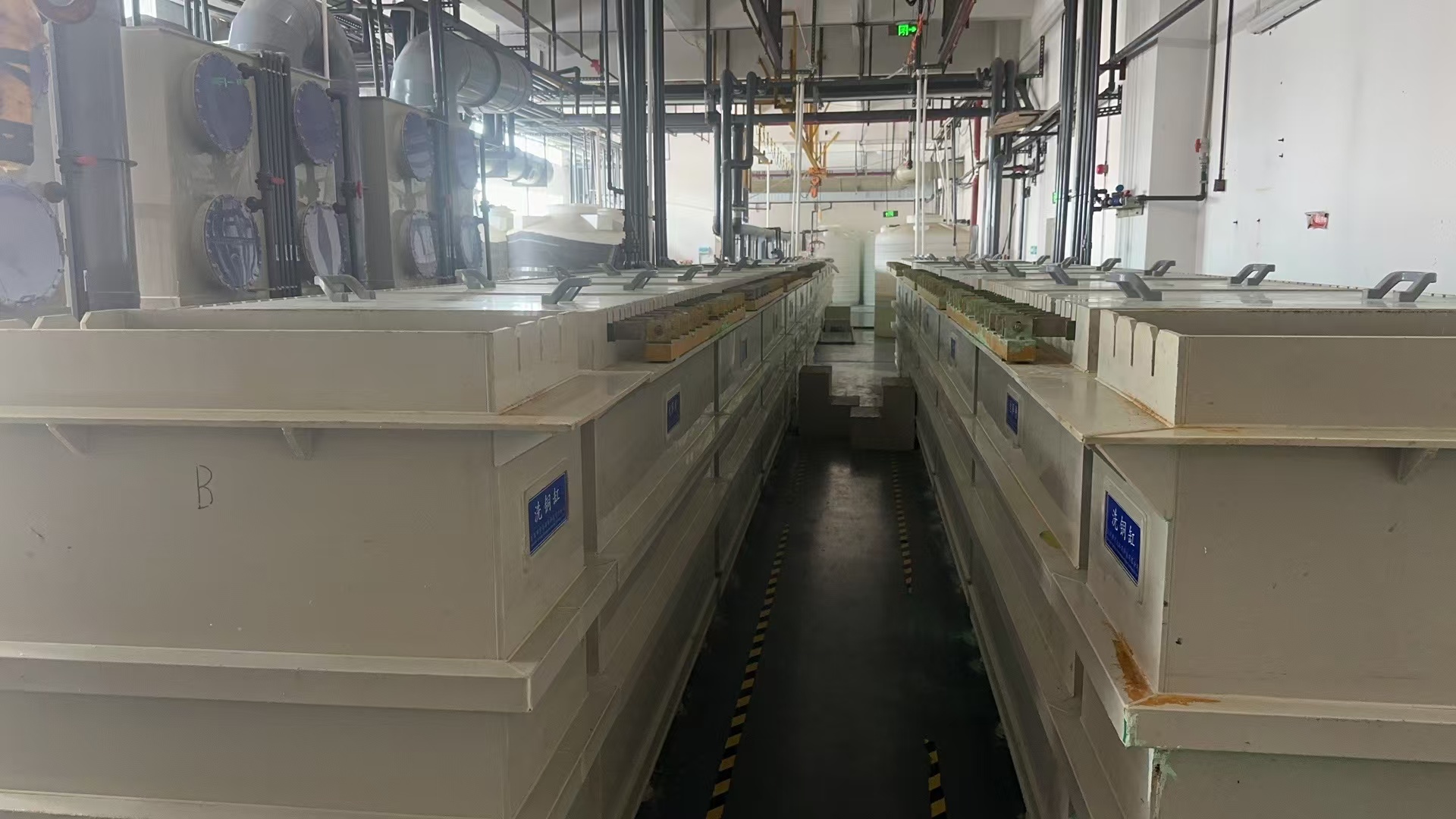
1. Generation Mechanism
Anode slime is a muddy byproduct formed during the electrolysis process when the anode metal (such as copper, lead, etc.) dissolves, and the precious metals (such as gold, silver, and platinum group elements) and impurities (such as selenium, tellurium, etc.) that are insoluble in the electrolyte are deposited on the anode surface. Operating parameters such as current density, temperature, and electrolyte composition directly affect the generation rate and composition of the anode slime.
2. Impact on the Electrolysis Process
Current efficiency: Anode slime adhering to the anode surface can increase resistance, leading to higher cell voltage and increased energy consumption. Regular cleaning is necessary to maintain electrolysis efficiency.
Product quality: If the anode slime detaches and suspends in the electrolyte, it may contaminate the cathode product (such as cathode copper), affecting its purity.
Operating cycle: When the anode slime accumulates to a certain extent, the cell needs to be shut down for cleaning, affecting production continuity.
3. Synergy of Collection and Processing
Collection method: The design of the electrolytic cell needs to consider the collection of anode slime (such as a slanted bottom design, filter bag system) to efficiently recover the slime rich in precious metals.
Processing value: Anode slime is a key raw material for extracting precious metals. Its processing efficiency (such as extracting gold and silver through roasting and leaching) directly affects the economic viability of the electrolysis process and even determines the feasibility of certain metal electrolysis production.
4. Process Optimization Closed Loop
By analyzing the composition of the anode slime, the operating parameters of the electrolytic cell (such as anode raw material grade, current density) can be adjusted to optimize the enrichment efficiency of precious metals and maximize resource utilization.
In summary, the collection and processing of anode slime are not only an essential part of electrolytic cell operation but also the core of precious metal recovery. Together, they constitute an economic and technical closed loop in electrolytic metallurgy: "producing the main metal + recovering byproduct precious metals."