



NEWS&EVENTS
In industrial production, gas-fired crucible furnaces are crucial equipment for high-temperature smelting and other operations. Preheating is an essential step for newly purchased gas-fired crucible furnaces or those that have not been used for a long time, as it directly impacts production safety and stability.
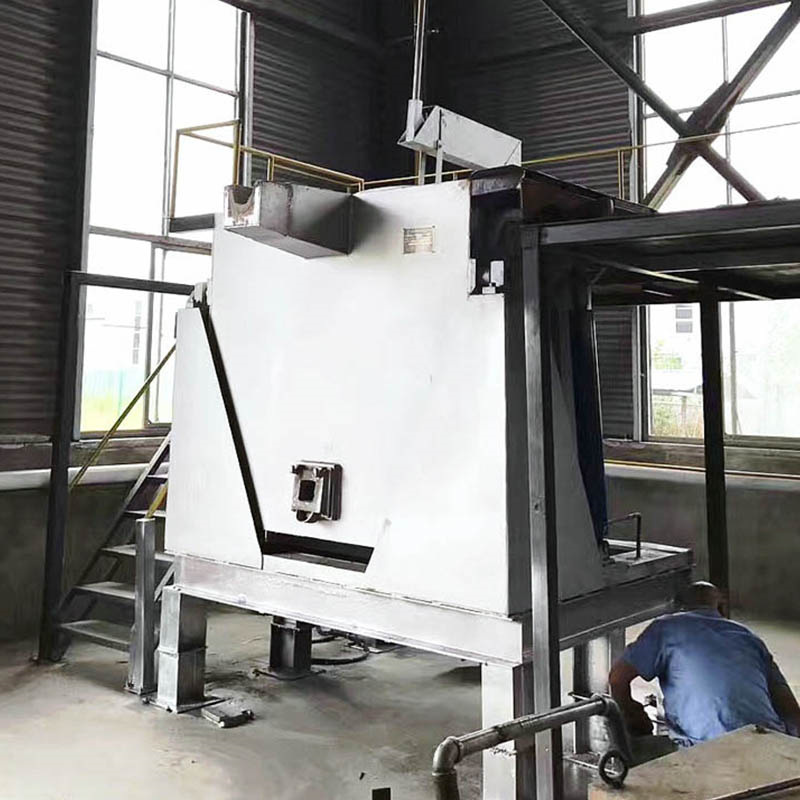
During the manufacturing process, new gas-fired crucible furnaces absorb some moisture internally; crucible furnaces that have been unused for a long time may also allow moisture to seep in due to environmental humidity. This moisture, hidden in various corners of the crucible furnace, may seem insignificant, but it poses a significant risk. Preheating, typically controlled at 120-150℃ or strictly following standard procedures, aims to gently and evenly remove this moisture. Slow heating allows the moisture to evaporate steadily without impacting the crucible furnace.
Skipping the preheating step and directly subjecting the gas-fired crucible furnace to rapid heating introduces immediate danger. The moisture inside the crucible furnace will rapidly vaporize and expand due to the instantaneous heating. Because the crucible furnace is made of a dense material, the expanding moisture cannot escape quickly, creating immense internal pressure. If this pressure exceeds the crucible furnace's withstand limit, it will cause the furnace to explode. An explosion not only destroys expensive equipment, causing huge economic losses, but also interrupts ongoing production processes, affecting production schedules. More seriously, flying debris and high-temperature materials can cause severe injuries to on-site operators, leading to irreversible safety accidents.
Therefore, to ensure smooth production and protect the lives of operators, we must attach great importance to the preheating and baking process before using gas-fired crucible furnaces, strictly follow operating procedures, and never allow a small oversight to lead to a major disaster.