



NEWS&EVENTS
As a critical piece of equipment in the aluminum processing industry, the tilting aluminum melting furnace features a scientifically sound and rational structural design that ensures highly efficient and stable melting operations.
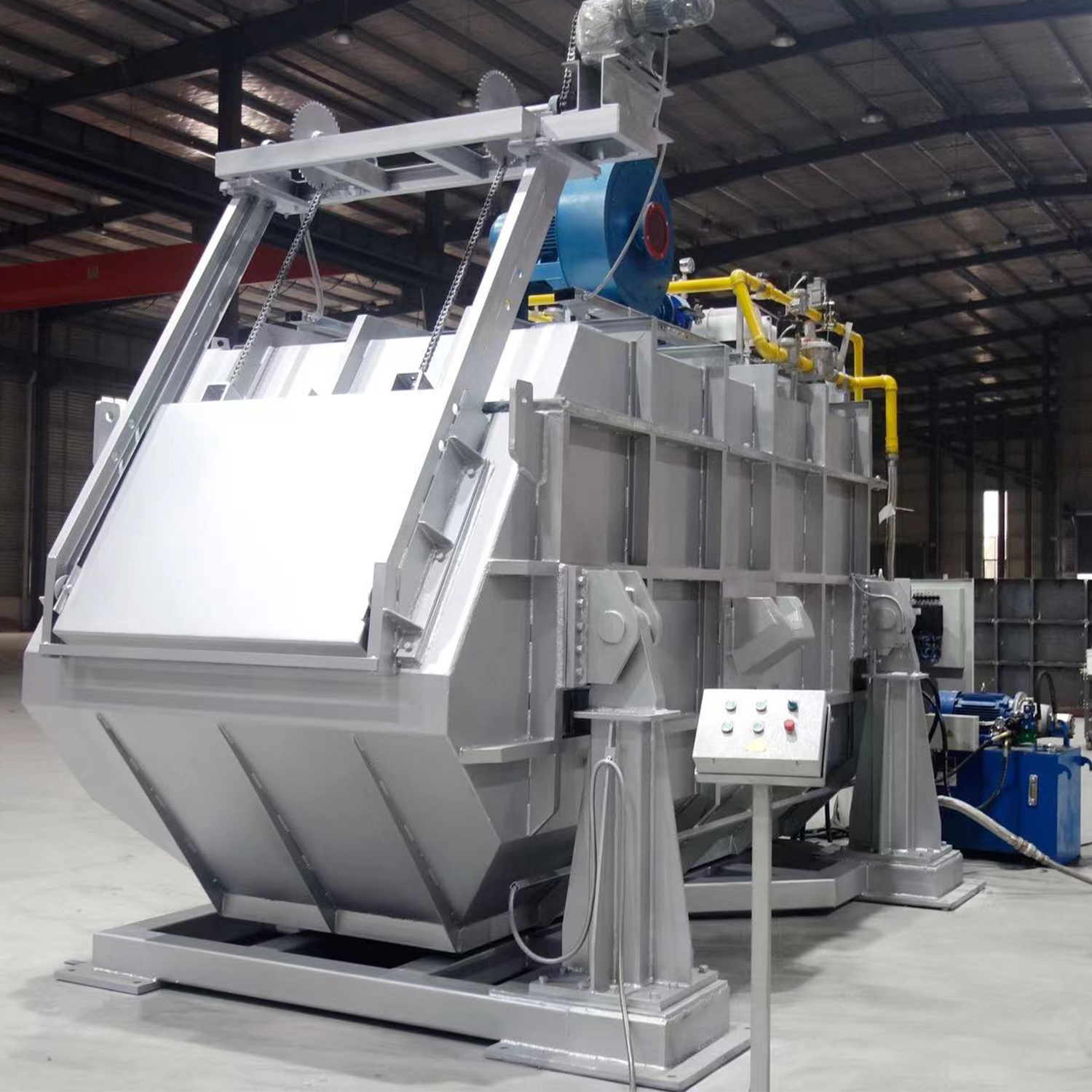
The structural steel furnace body serves as the primary framework of the equipment; it provides a robust support structure for the entire furnace, withstanding the extreme internal temperatures, the weight of the molten metal, and various external forces encountered during operation, thereby guaranteeing the equipment's structural stability over the long term.
The application of thermal insulation materials is of paramount importance. Encasing the exterior of the furnace body with insulation effectively minimizes heat loss to the surrounding environment, reduces energy consumption, and enhances energy utilization efficiency, ultimately leading to lower production costs.
The refractory lining, which comes into direct contact with the high-temperature molten metal, must possess exceptional resistance to both extreme heat and chemical corrosion. It is capable of withstanding the intense heat and chemical attack of the molten aluminum, thereby protecting the underlying furnace structure from damage and extending the overall service life of the equipment.
Furnace roof technology offers a variety of designs tailored to specific process requirements. A well-engineered roof structure facilitates uniform heat distribution—enhancing heating efficiency while simultaneously minimizing heat loss—and accommodates diverse material charging and operational needs.
The lifting furnace door features an ingenious design that not only facilitates the convenient charging of materials into the furnace but also allows operators to easily monitor internal conditions. Furthermore, its superior sealing capability prevents heat leakage and the ingress of ambient air, thereby ensuring a stable internal furnace atmosphere.
The hydraulic lifting mechanism serves as the core component responsible for the smooth tilting of the furnace body. Through the precise control of the hydraulic system, the furnace body can be tilted to a predetermined angle, facilitating the pouring and tapping of molten aluminum while ensuring safe and accurate operations.
The combustion system provides the heat source for the aluminum melting process; by strategically positioning burners and precisely controlling combustion parameters, it achieves efficient and uniform heating of the aluminum charge, thereby meeting the demands of various production scales and process specifications. It is precisely this synergistic interplay among these structural components that endows the tilting aluminum melting furnace with its exceptional performance, enabling it to play an indispensable and pivotal role within the aluminum processing sector.