



NEWS&EVENTS
Home > News&Events > Company news > Causes and Remedies for Backfire in Regenerative Aluminum Melting Furnaces
Flashback in a regenerative aluminum melting furnace refers to the combustion flame retreating into the interior of the burner nozzle—or even into the gas supply piping—where combustion then takes place. This phenomenon manifests as a muffled popping or booming sound, accompanied by a rapid rise in the temperature of the burner casing, which may even glow red-hot. The hazards are extreme: it can burn out the regenerator media and valve seals, and in severe cases, trigger pipe explosions, resulting in equipment damage and casualties.
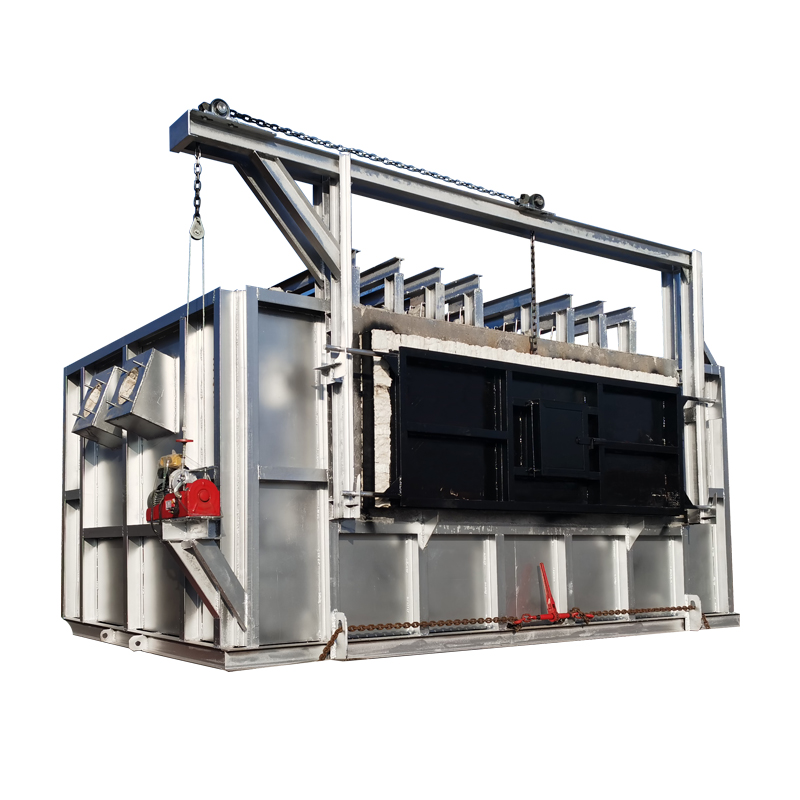
I. Primary Causes
1. Insufficient or fluctuating gas pressure: The velocity at which the gas is ejected falls below the flame propagation speed, causing the flame to retreat. This is commonly caused by regulator malfunctions, clogged filters, or an insufficient gas supply.
2. Clogged regenerator media: Dust, oil residues, and low-melting-point oxides present in the flue gas accumulate and bond to the regenerator balls or honeycomb structures. This increases airflow resistance and causes a sudden drop in flow velocity, thereby triggering a flashback.
3. Insufficient combustion air: A severe imbalance in the air-to-fuel ratio leads to oxygen-starved combustion. Consequently, the pressure inside the burner nozzle drops below that of the furnace chamber, creating a negative pressure differential that draws the flame inward.
4. Crossover leakage or timing errors in the reversing valve: Poor sealing allows high-temperature flue gas to backflow, prematurely igniting the fuel-air mixture.
II. Emergency Response Steps
1. Immediately cut off the gas supply: Close the shut-off valve located upstream of the affected burner nozzle, and stop the supply of combustion air to that specific burner (it is strictly forbidden to cut off the air supply *before* cutting off the gas).
2. Isolate and depressurize: Close the main gas valve located upstream of the furnace, and open the vent pipe to purge any residual gas from the system.
3. Inspection and diagnosis:
Check the gas pressure gauge; if the reading is low, adjust the pressure regulator or clean the gas filter.
Dismantle the burner nozzle to inspect the regenerator media for clogging or slag accumulation.
Inspect the seals and operational mechanics of the reversing valve.
4. Cleaning and repair: Clean or replace any clogged regenerator media; adjust the gas pressure to the normal operating range (typically 4–6 kPa); and recalibrate the air-to-fuel ratio to ensure the gas ejection velocity exceeds 10 m/s.
5. Resume operation: Upon completion of repairs, a leak test must be performed. Start with a small pilot flame and gradually increase the fuel load.
Preventive Measures for Regenerative Aluminum Melting Furnaces:
1. Regularly monitor the gas pressure and the pressure differential across the gas filters.
2. Clean or replace the regenerator media every 1 to 3 months (depending on the dust content of the flue gas).
3. Install flame detectors and burner back-pressure monitors; automatically cut off the gas supply if limits are exceeded.
4. Maintain a proper air-fuel ratio to prevent prolonged combustion under oxygen-deficient conditions.