



NEWS&EVENTS
Home > News&Events > Company news > The Core Impact of High Converter Processing Capacity on Copper Smelters
The large processing capacity of a single copper converter implies that a greater volume of matte can be blown within a given timeframe; this directly boosts blister copper output and effects a systemic optimization of the entire plant's production rhythm and cost structure.
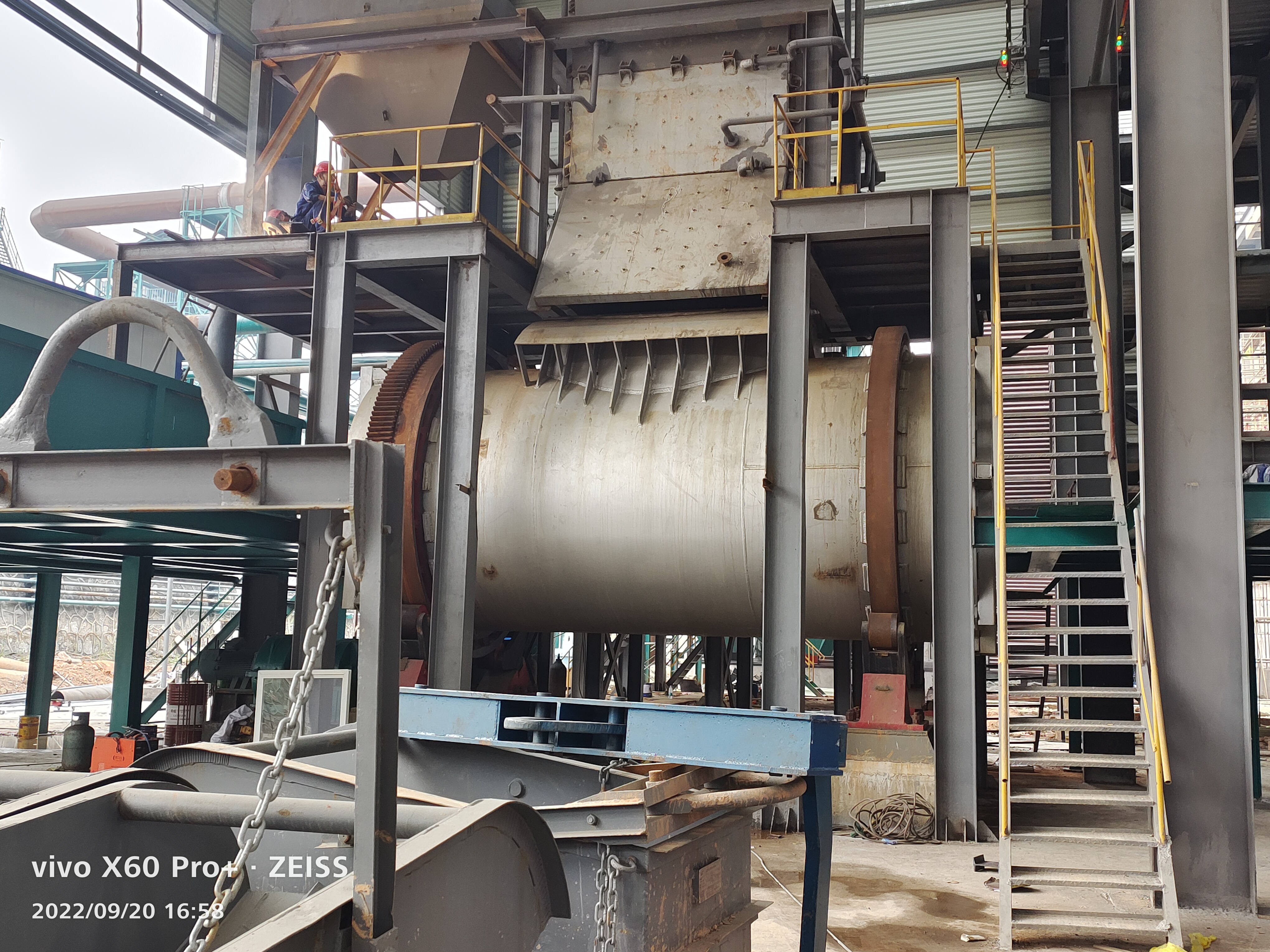
1. Shortened Cycles and Reduced Batch Frequency: Large copper converters exhibit superior thermal stability. The increase in blowing time per batch is significantly smaller than the corresponding increase in processing volume; consequently, the number of batches requiring daily operation is substantially reduced. This leads to a decrease in the cumulative time spent on auxiliary operations—such as charging, slag tapping, and copper tapping—resulting in a more compact and efficient production rhythm.
2. Precise Upstream-Downstream Synchronization: The large capacity of the copper converter prevents operational bottlenecks—specifically, the "backing up" of material upstream or "waiting" for material downstream—thereby reducing both the frequency of hot matte transfers and the associated heat loss.
3. Reduced Unit Energy Consumption: For larger furnace models, the heat dissipation loss per ton of copper produced is lower. Furthermore, the reduced volume of off-gas—coupled with an increased concentration of SO₂—facilitates more efficient waste heat recovery, thereby lowering overall energy consumption.
For modern copper smelters seeking to maximize economies of scale, selecting a large-scale copper converter that is precisely matched to their production capacity represents more than just a technological upgrade; it serves as a strategic cornerstone for achieving long-term, low-cost operations characterized by high asset turnover.