



NEWS&EVENTS
Home > News&Events > Company news > Working Principles and Application Scenarios of Aluminum Ash Rotary Furnaces
During the smelting and processing of aluminum, a substantial amount of waste residue—known as aluminum dross—is generated. Efficiently recovering the metallic aluminum contained within this dross, while simultaneously ensuring the proper disposal of its hazardous constituents, represents a pressing challenge currently facing the aluminum industry. The aluminum dross rotary furnace serves as the pivotal piece of equipment for resolving this dilemma, offering a dual functionality that encompasses both resource recovery and environmentally sound disposal.
I. Working Principle
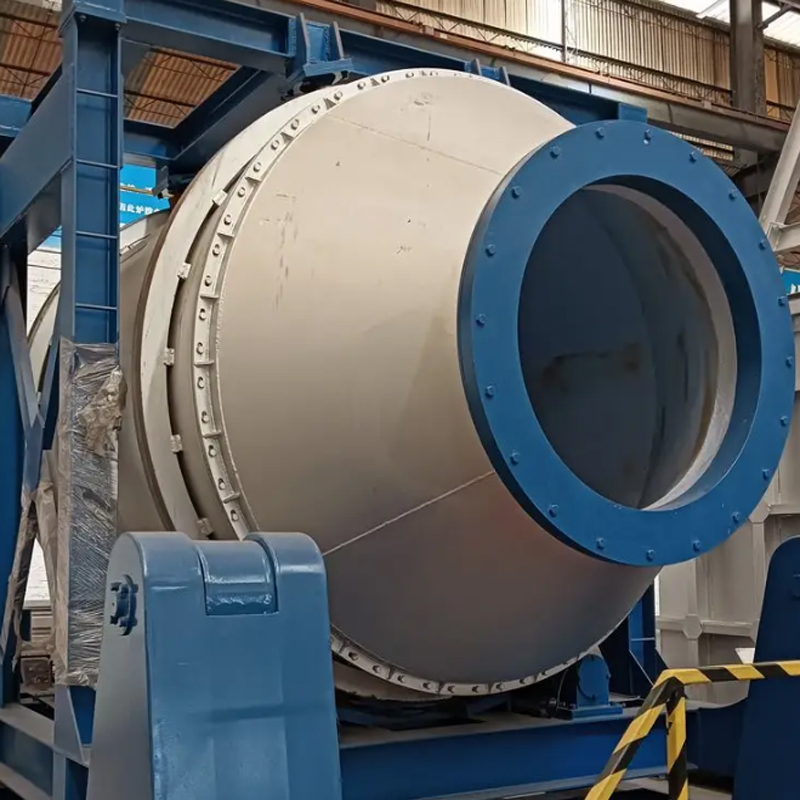
The core component of the aluminum dross rotary furnace is an inclined, rotating cylindrical vessel lined with refractory materials. Driven by an electric motor, the cylinder rotates slowly, ensuring that the internal materials are thoroughly mixed and heated uniformly. The heating method is highly flexible, capable of utilizing various fuels such as natural gas or fuel oil. Within this high-temperature environment, the free aluminum and aluminum oxide present in the dross react with added molten salts; this reaction lowers the material's melting point and facilitates the aggregation and settling of molten aluminum. Concurrently, hazardous constituents within the dross—such as aluminum nitride and aluminum carbide—decompose or oxidize under these high temperatures, thereby eliminating the risk of them generating ammonia or methane gas upon contact with water. Ultimately, due to differences in density, the molten aluminum settles to the bottom of the furnace, while residual materials—such as oxides and salts—float to the upper layer, thereby achieving an effective separation.
II. Application Scenarios
1. Recycled Aluminum Enterprises: Used for processing aluminum dross generated during electrolytic aluminum production and casting operations.
2. Aluminum Processing Plants: Used for recovering residual materials remaining after the processing of scrap aluminum.
3. Environmental Protection Sector: Serves as an alternative to traditional landfilling, thereby mitigating the pollution risks associated with heavy metals and hazardous substances.
Through processing in an aluminum dross rotary furnace, aluminum dross is transformed from mere "waste" into a valuable resource: the metallic aluminum is recovered for reuse, hazardous constituents undergo harmless treatment, and the remaining residues can be repurposed for applications such as construction materials. This technology fully embodies the principles of resource recycling and green metallurgy, standing as a vital piece of equipment for driving the sustainable development of the aluminum industry.