



NEWS&EVENTS
Home > News&Events > Company news > How should emergency situations be handled during the operation of a regenerative aluminum melting furnace?
During the operation of a regenerative aluminum melting furnace, the core principle of emergency response is rapid assessment and decisive action, always prioritizing personnel safety above all else. In the event of any emergency, the "Emergency Stop" button may be pressed immediately to halt the entire system's operation.
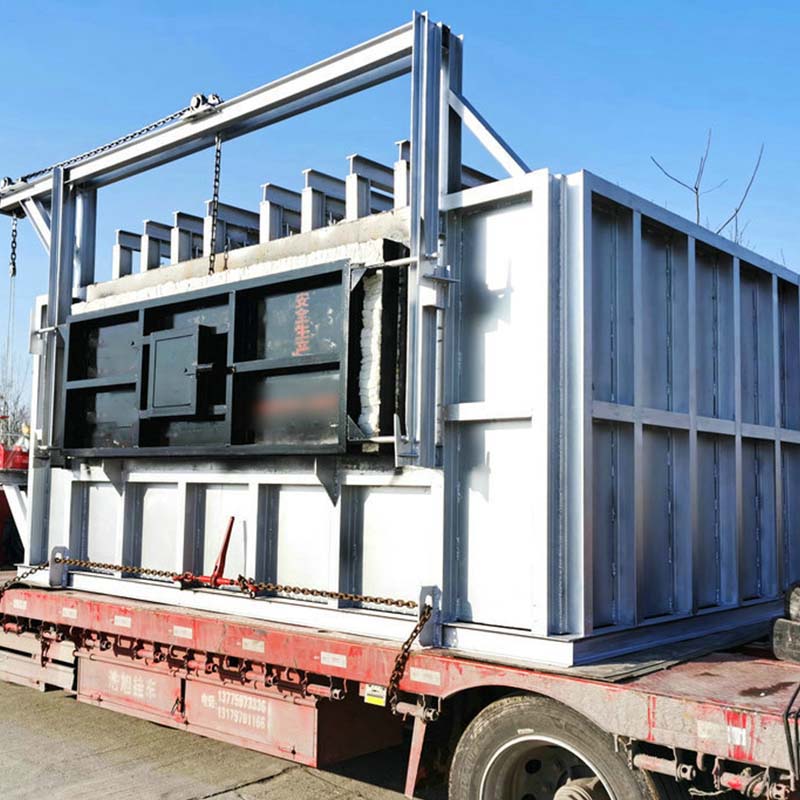
If molten aluminum leaks, immediately shut down the furnace while maintaining the circulation of cooling water. Simultaneously, close the main gas supply valve and evacuate personnel to an upwind location. Provided it is safe to do so, tilt the furnace to pour the molten aluminum into an emergency catch pit, then cover it with dry fire sand or dry chemical powder; the use of water is strictly prohibited.
If a gas leak occurs, immediately close all gas valves. Strictly prohibit the switching on or off of any electrical devices. Immediately open windows for ventilation and activate the exhaust system. Evacuate personnel to a safe zone and establish a safety cordon.
Contact between high-temperature molten aluminum and water can trigger a violent explosion, representing the most dangerous scenario. Should water enter the furnace facility, the furnace must be shut down immediately, and all efforts directed toward draining the water. The introduction of damp materials or tools into the furnace is strictly prohibited.
In the event of a sudden power outage, the cooling system must be kept running to protect the furnace body. If a significant quantity of material has already melted, safely tilt the furnace to pour the molten metal into an emergency catch pit; prior to solidification, metal pipes may be inserted into the molten metal to create vent channels, thereby preventing explosions caused by gas expansion during subsequent remelting.
In the event of a cooling system failure (e.g., water supply interruption or excessive water temperature), immediately shut down the furnace and investigate the cause. The cooling pumps should not remain stopped for more than 8 minutes.
Combustion system failures typically trigger automatic alarms and safety interlocks; depending on the specific situation, the furnace may be shut down or switched over to a backup system. If the furnace body begins to glow red or emit smoke, immediately shut down the furnace, evacuate the area, and close the gas supply valves. If an electrical leak (short circuit) occurs within the furnace chamber, first cut off the power supply while ensuring that cooling water continues to flow freely.
Preventive measures are equally critical: the introduction of damp furnace charge materials is strictly prohibited, and solid materials should be added in batches. Prior to starting the furnace, the furnace chamber must be purged. After shutting down the regenerative aluminum melting furnace, the cooling fans must remain operational until the furnace temperature has dropped to a safe level. Routine inspections of the furnace lining, furnace door, tapping spout, and instrumentation should be conducted regularly. Operating personnel must undergo rigorous training and participate in periodic emergency drills. Dry fire sand and dry chemical fire extinguishers should be kept readily available within the furnace area at all times.