



NEWS&EVENTS
Home > News&Events > Company news > What inspection items should be performed on a crucible copper-melting furnace before startup?
The tilting crucible copper melting furnace is a common piece of equipment used for smelting copper and copper alloys. The pre-startup inspection procedures for this furnace directly impact production safety, smelting quality, and equipment longevity. In accordance with operational protocols, the following five core inspections must be systematically completed prior to startup. Ignition and power activation may proceed only after all checks have confirmed normal conditions; furthermore, the operations of powering up and starting the furnace must be the responsibility of a designated individual.
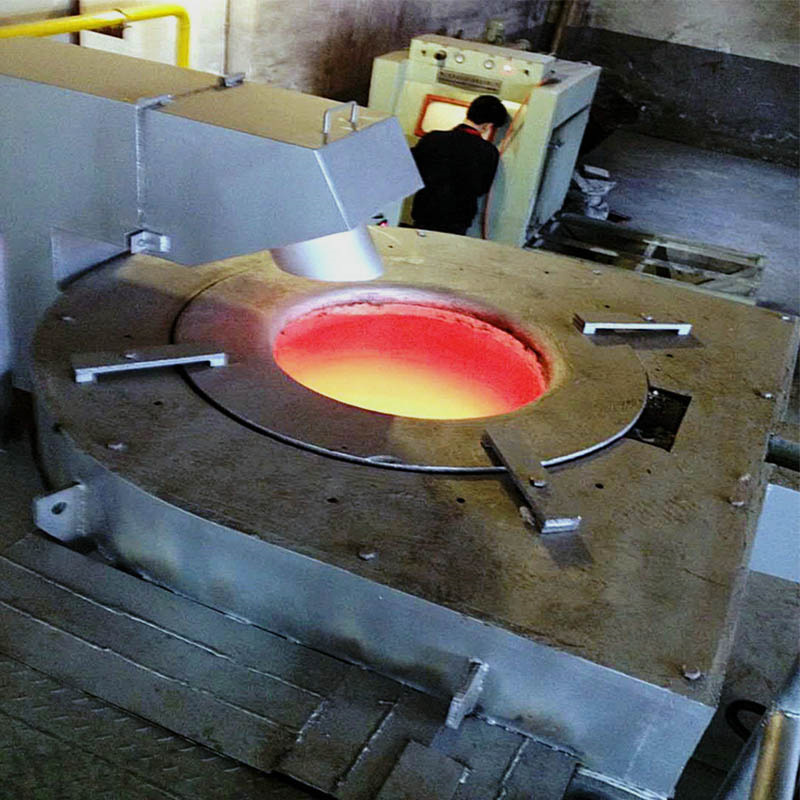
① Inspect the crucible for any cracks or damage; it may be used only if it is free of cracks.
② Verify that electrical equipment, the water-cooling system, and the hydraulic system are all in good working order.
③ Confirm that the ventilation and dust removal system is functioning correctly; the furnace must not be started for smelting if the equipment status is abnormal.
④ Verify that the furnace charge (raw materials) meets process specifications, and remove any potentially flammable, explosive, or moisture-laden substances that may have inadvertently mixed into the charge.
⑤ Inspect the pit area in front of the furnace and the surrounding perimeter to ensure there is no accumulated water or unauthorized items piled up.
All of the above inspections are indispensable; operations may commence only after any detected anomalies have been fully resolved. This constitutes not only a fundamental safety baseline but also a prerequisite for guaranteeing the quality of the molten copper and extending the service life of the tilting crucible furnace body.