



NEWS&EVENTS
Home > News&Events > Company news > For a new copper refining project, just how large should the furnace be?
For many, the initial reaction when selecting a furnace is simply: "Match the furnace size directly to the annual production target." This mindset, however, is precisely what creates the greatest number of hidden risks down the road.
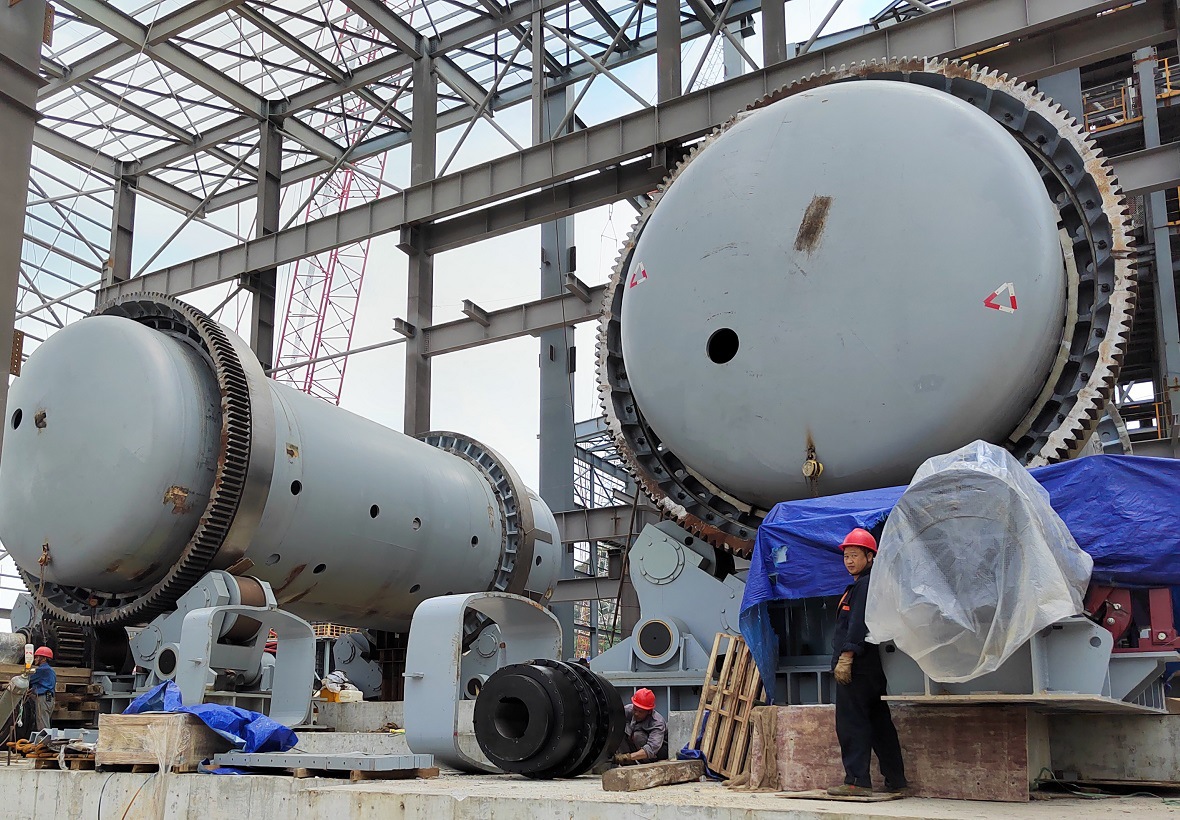
If the furnace is too small, frequent charging and tapping operations—combined with extended auxiliary times—mean that maximum production capacity will never be fully realized. Conversely, if the furnace is too large, raw material supply may lag behind; prolonged operation at low loads leads to skyrocketing energy consumption, while uneven temperatures shorten the service life of the furnace lining. A single misstep in selection can condemn you to a decade of compromise.
Beyond the projected production output, you must first answer four critical questions:
Is your raw material composition stable? If your anode copper composition is consistent, you can opt for a large-scale furnace designed for continuous operation. However, if your recycled copper feedstock exhibits significant fluctuations in impurity levels, we recommend a "one-in-use, one-in-reserve" dual-furnace configuration to prevent the entire production line from grinding to a halt during slag removal.
How is your production schedule structured? The furnace capacity must maintain an "integer multiple" relationship with your refining cycle and casting machine speed; otherwise, you risk losing 1 to 2 hours of productive time daily due to bottlenecks caused by waiting for material or material backups.
Are your site conditions and utility infrastructure adequate? A larger furnace demands a taller plant structure, higher-tonnage overhead cranes, and more robust dust removal and cooling systems. Any capital investment savings realized per ton of copper may ultimately be consumed by cost overruns in civil engineering and utility infrastructure.
Do you have plans for production expansion within the next 3 to 5 years? If your current production volume is modest, we recommend a "one-step-ahead" approach by selecting a furnace model featuring a "modular design for scalability." This allows you to boost production later simply by installing additional burners and upgrading the control system, thereby avoiding the need for a complete furnace rebuild in the future.
Selecting a furnace is about choosing the optimal balance of cost-effectiveness, operational flexibility, and total cost of ownership over the next decade. We don't aim to build merely the "largest" furnaces; instead, we help you accurately calculate the true cost per ton of copper produced.
Are you currently planning a new project? Bring your raw material specifications and production forecasts, and receive a complimentary copy of our "Copper Refining Furnace Selection Checklist."