Antimony smelting processes are primarily categorized into pyrometallurgy and hydrometallurgy. Currently, pyrometallurgy is the dominant production method.
Pyrometallurgy extracts metallic antimony mainly through two core steps: "oxidative volatilization" and "reductive smelting."
Core processes:
Oxidative volatilization: Sulfides in antimony ore are oxidized into antimony trioxide (Sb₂O₃) gas and collected from the flue gas. Depending on the raw material and processing method, this is divided into two types:
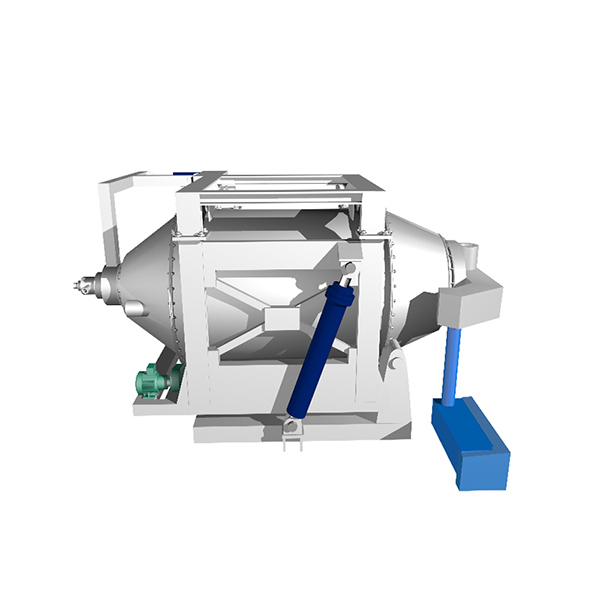
Volatilization roasting: Processes low-grade lump ore, causing antimony to oxidize and volatilize without forming slag.
Volatilization smelting: Processes concentrate powder, causing antimony to volatilize while simultaneously melting and forming slag.
Reductive smelting: Uses a carbonaceous reducing agent (such as coal) in a smelting furnace to reduce the collected antimony trioxide into crude antimony.
Hydrometallurgy is primarily categorized into alkaline and acidic processes, depending on the solvent used.
Alkaline hydrometallurgical antimony smelting:
Leaching: Antimony concentrate is leached using a mixed solution of sodium sulfide (Na₂S) and sodium hydroxide (NaOH).
Electrowinning: The leach solution undergoes electrolytic deposition to obtain metallic antimony at the cathode.
Characteristics: Capable of producing high-quality cathode antimony, but entails high consumption of alkali and electricity, resulting in higher costs.
Acidic hydrometallurgical antimony smelting:
Leaching: Antimony is dissolved in a hydrochloric acid medium using a chlorinating agent, such as chlorine gas.
Recovery: Antimony is recovered from the leach solution via methods such as hydrolysis or neutralization; this process is often used to directly produce antimony white (antimony trioxide).
Characteristics: High leaching rate and simple process flow, but causes severe equipment corrosion and is unsuitable for processing concentrates with high antimony oxide content.
Slurry electrolysis process: A specialized hydrometallurgical process in which ore leaching and electrowinning are performed within the same unit.
In summary, the choice of smelting process depends on various factors, such as ore type, grade, impurity composition, economic viability, and environmental protection requirements.