



NEWS&EVENTS
The rotary furnace is the core piece of equipment for the pyrometallurgical refining of crude antimony. Its primary function is the deep purification of crude antimony—derived from reduction smelting—by employing physicochemical methods such as oxidation and sulfidation to remove residual impurities (including arsenic, sulfur, copper, iron, and lead). This process yields high-purity refined antimony products that meet the requirements of sectors such as battery manufacturing, alloys, and the chemical industry.
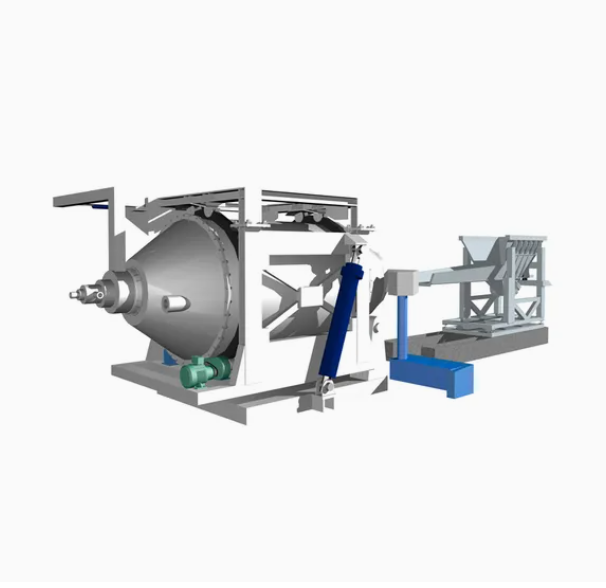
Compared to traditional stationary reverberatory furnaces, rotary furnaces offer significant technical advantages: the stirring action enhances mass transfer, thereby shortening refining times; enclosed operation minimizes fume and dust emissions, and when paired with a bag-type dust collection system, ensures compliance with emission standards; and the equipment offers high operational flexibility, allowing process parameters to be adjusted based on raw material composition to produce various grades of antimony. The furnace body is lined with high-quality refractory materials that provide excellent thermal shock resistance and thermal insulation, effectively extending the furnace's service life and reducing energy consumption.
There are two process pathways: 1. direct casting into ingots; and 2. collection of antimony trioxide powder via the bag-type dust collector.
Rotary furnaces allow for the fine-tuning of antimony purity by adjusting the furnace atmosphere (oxidizing or reducing) to meet the specific quality requirements of different users. Characterized by high efficiency, environmental friendliness, and operational flexibility, the rotary furnace plays a vital role in the modern antimony smelting industry and serves as indispensable equipment for crude antimony refining.