



NEWS&EVENTS
Home > News&Events > Company news > How can the service life of the refractory lining in an antimony rotary furnace be extended?
Damage to the refractory lining of antimony rotary furnaces is primarily caused by the chemical erosion of high-temperature melts and thermal shock resulting from rapid temperature fluctuations. Extending the furnace's service life requires a systematic approach covering four key areas: material selection, furnace drying, operational maintenance, and monitoring.
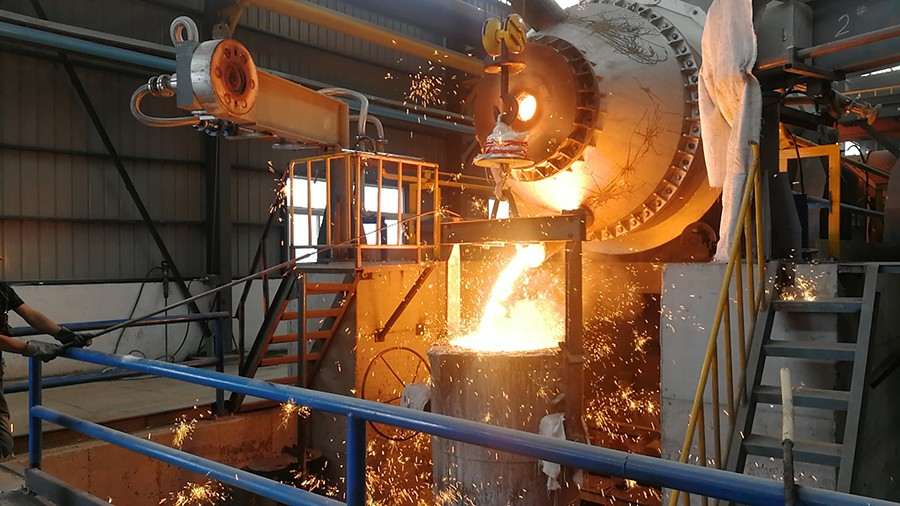
Selecting the right refractory materials is the foundation. High-alumina or magnesia-chrome bricks—characterized by excellent thermal shock resistance and resistance to antimony slag erosion—should be prioritized; silicon carbide castables can be used in critical areas. A multi-layer lining structure comprising a "working layer" and an "insulation layer" should be adopted to withstand high temperatures while minimizing heat loss through the furnace shell.
Proper furnace drying is a crucial initial step. For newly installed linings, the heating and drying schedule must be strictly followed to ensure the slow release of moisture and adequate material sintering, thereby preventing cracking caused by rapid heating. During operation, unplanned shutdowns should be minimized to reduce the frequency of thermal shock at the source.
Refined operational maintenance ensures daily reliability. Feedstock composition and melt pool temperature must be stably controlled to prevent localized overheating. A regular inspection system should be established to promptly repair minor damage and prevent issues from escalating. Additionally, optimizing the furnace's rotation speed and tilt angle helps reduce erosion of the furnace walls caused by material impingement.
Intelligent monitoring and standardized shutdown procedures serve as complementary measures. Data tracking of wear patterns allows for the determination of more scientific replacement cycles. During cooling, temperature control must be carefully managed to prevent rapid cooling that could cause cracking or spalling.
Comprehensive implementation of these measures can significantly improve lining performance, stably extending the service life from the standard 6–8 months to over 12 months, while substantially reducing maintenance costs and losses associated with production downtime.