



NEWS&EVENTS
A typical copper electrolyte circulation system generally consists of the following core components, which work in concert to maintain a stable electrolytic environment:
Circulation pump: Provides the driving force for the continuous flow of electrolyte throughout the system.
Inlet and outlet piping: Form the channels for electrolyte to enter and exit the electrolytic cell, serving as the foundation of the circulation process.
Head tank: Typically positioned at an elevated level, it utilizes gravity to ensure a steady, self-flowing supply of electrolyte into the electrolytic cell, thereby maintaining stable supply pressure and flow rates.
Low-level tank (circulation tank): Collects electrolyte flowing out of the electrolytic cell, acting as a buffer and collection reservoir.
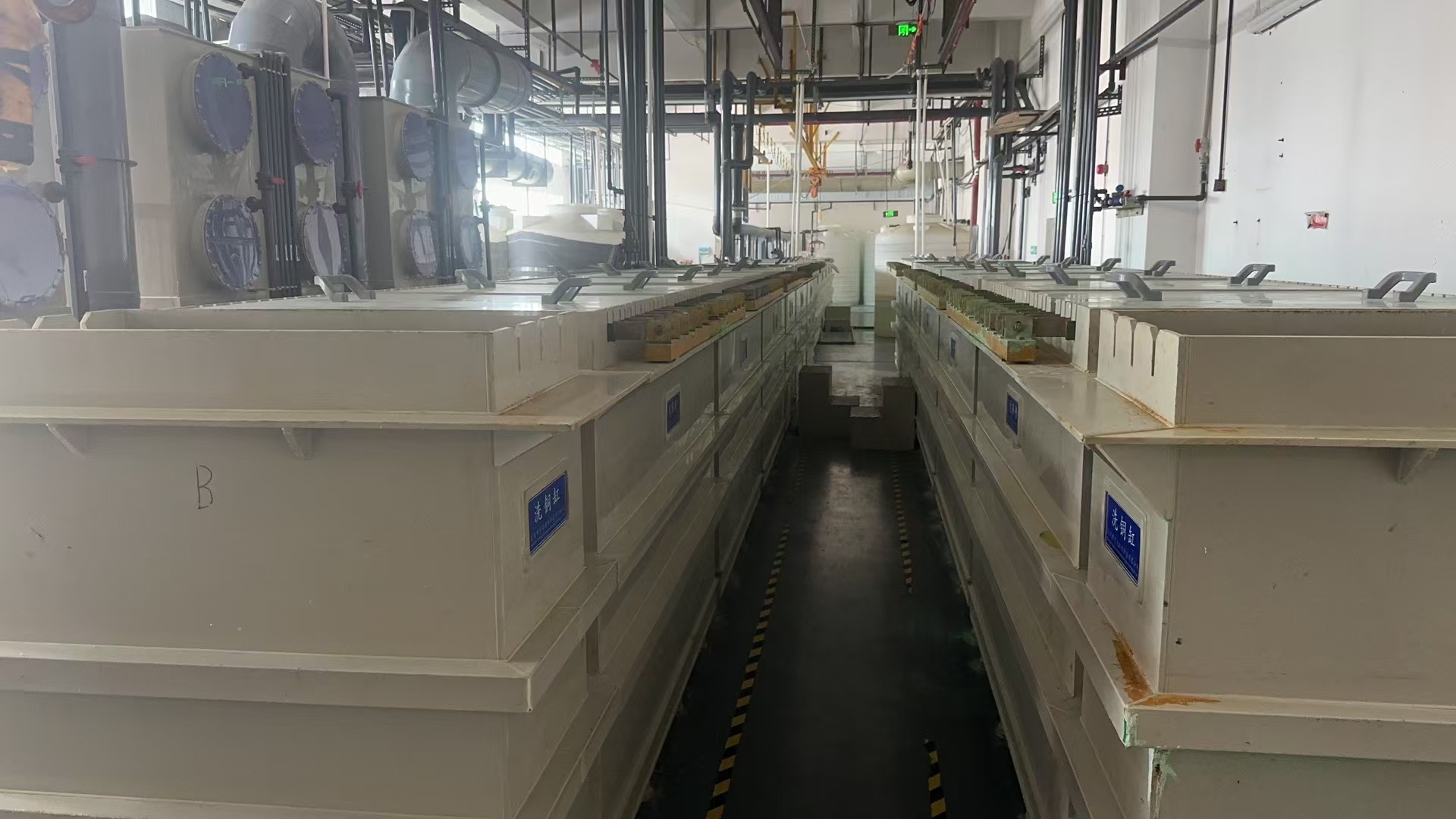
The fundamental objective of the electrolyte circulation system is to maintain a stable and uniform electrolytic environment; its specific functions include:
Maintaining compositional and thermal uniformity: Continuous circulation ensures the uniform mixing of added heat, additives, and purified fresh electrolyte, while discharging electrolyte with excessive impurity levels, thereby ensuring consistent composition and temperature throughout the cell.
Eliminating concentration polarization: Continuous flow effectively replenishes copper ions consumed near the cathode, preventing localized copper ion depletion and ensuring uniform copper deposition on the cathode.
Ensuring high product quality: Stable circulation is a prerequisite for producing high-quality cathode copper.
Maintaining system liquid balance: Controlling liquid levels in the various tanks maintains a relatively constant total electrolyte volume, ensuring the stability of process parameters.
Through the precise coordination of pumps, tanks, and piping networks, the electrolyte circulation system ensures uniform concentration and temperature, eliminates concentration polarization, and stabilizes process parameters, serving as the core safeguard for producing high-purity cathode copper.