



NEWS&EVENTS
Home > News&Events > Company news > Why do antimony rotary furnaces utilize a multi-layer refractory lining design?
The refractory lining of an antimony rotary furnace employs a multi-layer design aimed at achieving an optimal balance between structural stability, high-temperature corrosion resistance, and energy efficiency; it is far more than a simple stacking of materials. During the smelting process, the lining must withstand three simultaneous, severe damage mechanisms:
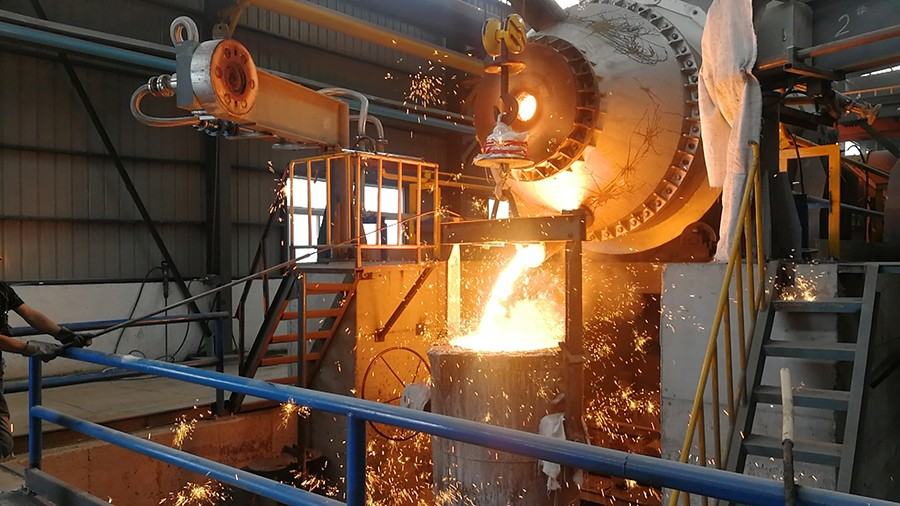
Intense chemical corrosion (the primary factor): Gangue components in the antimony ore react with fluxes to form basic slag containing SiO₂ and FeO. This high-temperature molten slag possesses strong chemical dissolving power, continuously penetrating and corroding the working face of the lining.
High-frequency thermal shock: Periodic charging and discharging of the rotary furnace cause drastic temperature fluctuations; frequent thermal expansion and contraction generate internal stress cracks within the material.
Continuous mechanical wear: As the furnace body rotates, hard lump materials and coke exert constant scouring and abrasive forces against the lining walls.
Given these operating conditions, modern antimony rotary furnaces typically feature a three-in-one functional layered structure:
Working layer (direct contact with the melt): Constructed from magnesia-chrome bricks or fused-rebonded magnesia-chrome bricks, serving as the first line of defense against corrosion due to their excellent resistance to basic slag and high-temperature strength.
Permanent layer (structural support): Built with high-alumina bricks directly against the furnace shell, this layer buffers high-temperature stresses transmitted from the working layer and prevents melt leakage from burning through the shell.
Thermal insulation layer (key to energy efficiency): Filled with lightweight refractory castables or nano-microporous insulation boards, utilizing their extremely low thermal conductivity to block outward heat transfer.
Through this composite design—where the working layer resists corrosion, the permanent layer protects the structure, and the insulation layer retains heat—the materials work synergistically. This not only keeps the outer shell temperature within regulatory limits but also significantly extends the furnace's service life, drastically reducing costs associated with shutdowns and maintenance.