



NEWS&EVENTS
Home > News&Events > Company news > How can the metal recovery rate of rectangular reverberatory furnaces for scrap copper be improved?
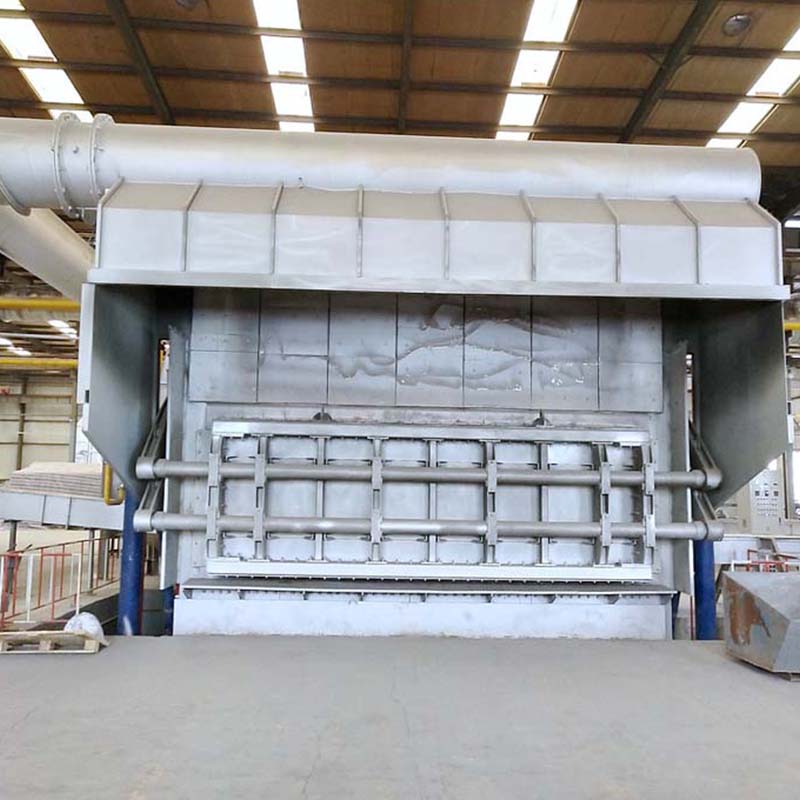
In the smelting operations of rectangular reverberatory furnaces for scrap copper, metal recovery rates directly determine a company's costs and profit margins, serving as a key indicator of operational proficiency. To systematically unlock recovery potential—while addressing the furnace's specific characteristics, such as a deep molten bath, large heat radiation surface area, and frequent slag skimming—efforts should focus on the following five areas:
Optimize process control: Precisely control the duration and intensity of the oxidation and reduction stages to prevent copper loss caused by over-oxidation.
Improve combustion efficiency: Ensure complete fuel combustion to minimize chemical losses in the flue gas and reduce the entrainment of metal particles.
Strengthen slag management: Optimize the ratio of slag-forming agents and enhance slag fluidity to reduce the amount of copper trapped within the slag.
Select high-quality refractory materials: Extend furnace service life and minimize production interruptions and metal losses caused by downtime for repairs.
In summary, maximizing metal recovery in rectangular scrap-copper reverberatory furnaces is a systematic undertaking that requires comprehensive, coordinated optimization—spanning thermal regimes, slag-forming reactions, refractory maintenance, and daily operational practices. Only by continuously monitoring data from each heat and making incremental adjustments to these processes can the furnace maintain high, stable output while minimizing copper loss, thereby achieving a true win-win for resource utilization and economic performance.