



NEWS&EVENTS
The rotary anode furnace—also known as a rotary refining furnace—is a core piece of thermal equipment used in large-scale copper smelters to refine molten blister copper into anode copper.
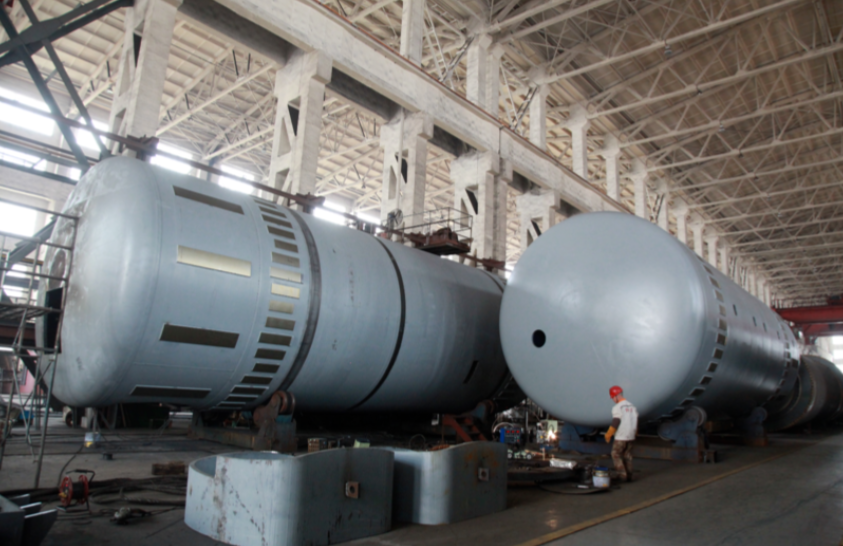
The furnace features a horizontal cylindrical body capable of 360-degree rotation, equipped with components such as a charging port and tuyères. The refining process comprises four stages: charging, oxidation, reduction, and casting. During operation, the furnace body is tilted to submerge the tuyères into the molten copper; high-pressure air is injected first to oxidize impurities—such as zinc, iron, and lead—into slag for removal, followed by the injection of a reducing agent (such as natural gas) to reduce cuprous oxide. The final product is anode copper suitable for electrolytic refining.
This equipment offers several significant advantages:
High efficiency and energy conservation: It can directly receive molten blister copper from upstream processes, effectively recovering sensible heat and drastically reducing fuel consumption. The rotation of the furnace body also enhances heat and mass transfer.
Superior environmental performance: The furnace features excellent sealing, enabling effective flue gas collection; the widespread use of clean reducing agents, such as natural gas, yields outstanding environmental benefits.
High level of automation: The equipment boasts a high degree of mechanization and automation, resulting in reduced labor intensity and an improved operating environment.
Rotary anode furnaces have become the mainstream choice for modern, large-scale copper smelters.