



NEWS&EVENTS
An electrolytic copper refinery uses blister copper (anode copper) produced via pyrometallurgical refining as raw material to produce high-purity cathode copper (with a copper content exceeding 99.95%) through electrolytic refining.
Core Process: Blister copper serves as the anode, while pure copper starter sheets or stainless steel plates serve as the cathode; these are immersed in a copper sulfate-sulfuric acid electrolyte, and direct current is applied. The anode copper dissolves, and pure copper deposits onto the cathode, while impurities either enter the electrolyte or precipitate as anode slime. The typical workflow is: blister copper anode plates → electrolytic tank loading → cathode copper deposition → stripping and washing → finished cathode copper; the anode slime is sent for the recovery of gold, silver, and platinum-group metals.
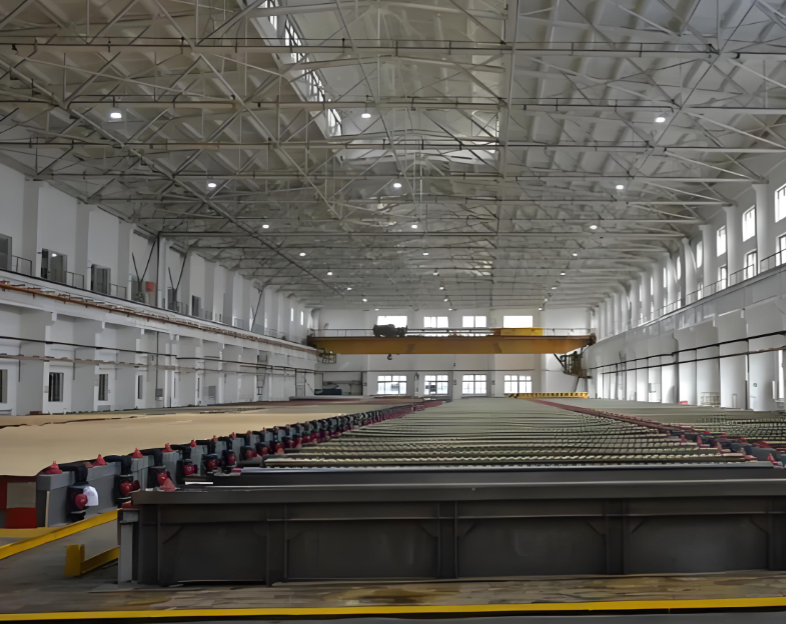
Workshop Configuration: Primarily comprises sections for anode preparation, electrolysis, cathode processing, electrolyte purification, and anode slime treatment, alongside a finished product warehouse and auxiliary systems for power supply, ventilation, and acid mist control.
Key Equipment:
Electrolysis Workshop: Electrolytic cells (with anti-corrosion lining), anode plates, cathode plates (starter sheets or permanent stainless steel cathodes), conductive copper busbars, and fully automated overhead cranes.
Electrode Processing: Anode shaping units, starter sheet production units, cathode stripping units, and scrap anode washing units.
Electrolyte System: Circulation pumps, titanium plate heat exchangers, head tanks, filter presses, and additive metering devices.
Purification and Anode Slime: Copper removal electrowinning cells, vacuum evaporative crystallizers, roasting furnaces, and precious metal refining equipment.
Auxiliary & Environmental: Rectifier power supply systems, acid mist scrubbing towers, water treatment stations, and DCS/PLC control systems.
The design of an electrolytic copper refinery must prioritize electrode standardization, electrolyte composition control, temperature uniformity, and the level of automation and environmental protection to ensure efficient and stable production.