



NEWS&EVENTS
Home > News&Events > Company news > What types of electrode plate handling units are typically included in a copper electrolysis workshop?
On the copper electrolytic refining production line, electrode handling units are critical equipment for ensuring the efficient and stable operation of the electrolysis cycle. To handle various materials—such as anode plates, copper cathodes, anode scraps, and starter sheets—workshops are typically equipped with the following specialized units:
First is the anode plate shaping and arrangement unit. This unit straightens, shapes, and arranges anode plates before they enter the electrolytic cells, ensuring uniform spacing and proper vertical alignment, thereby laying the foundation for subsequent electrolysis operations.
Second is the copper cathode washing and stacking unit. After electrolysis, copper cathodes require washing, drying, and stacking; this unit effectively removes residual electrolyte from the surface, improves the product's visual quality, and enables automated stacking.
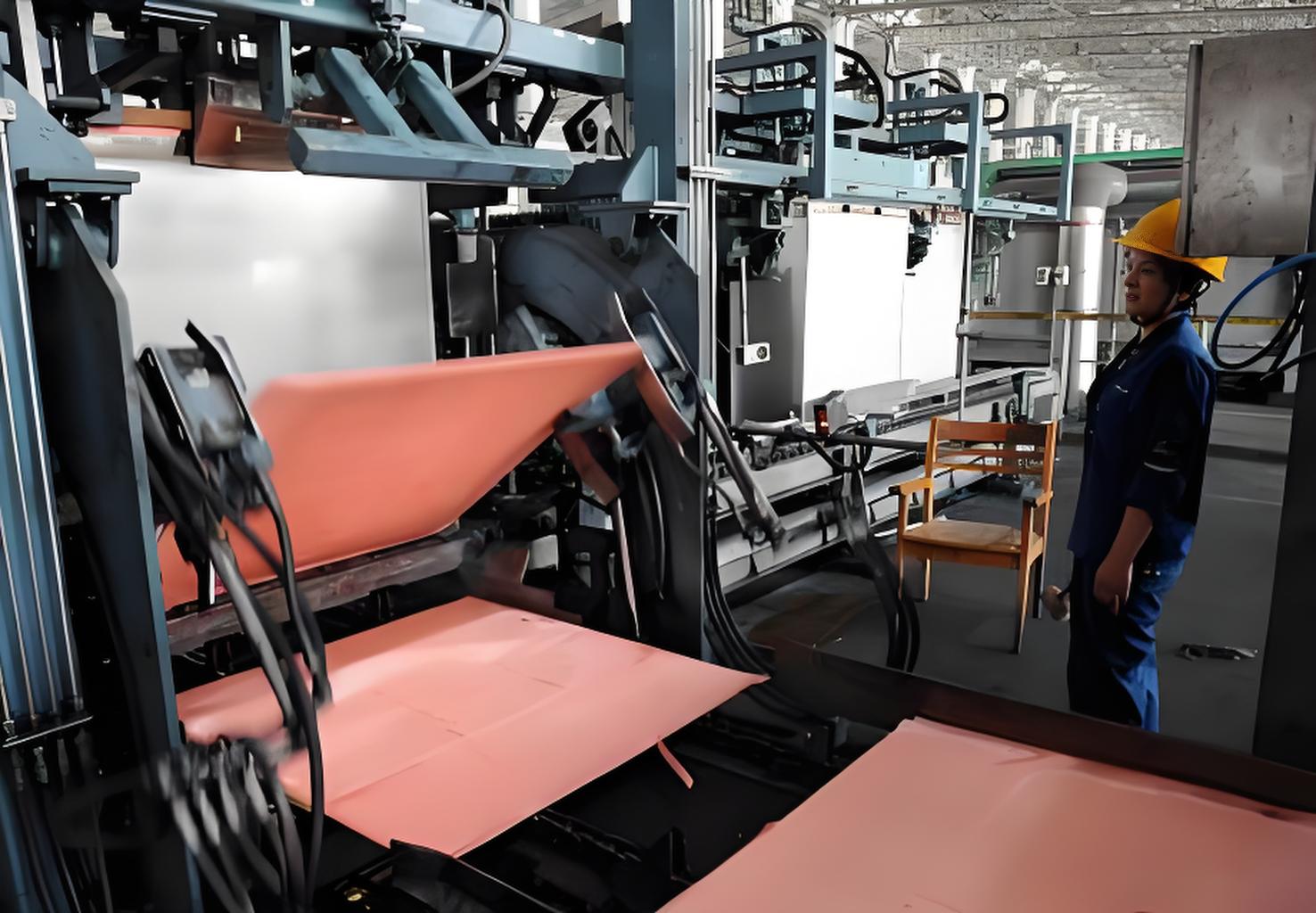
Third is the anode scrap washing and stacking unit. Upon completion of the electrolysis cycle, anode scraps must be separated from the cathode system, washed, and stacked before being returned to the pyrometallurgical refining stage; this unit performs the vital task of recovering and processing these scraps.
Fourth is the starter sheet production and arrangement unit. As the "seed plates" for cathodes, starter sheets—specifically their flatness and dimensional accuracy—directly influence the quality of the copper cathodes. This unit handles the production, embossing, and arrangement of starter sheets, serving as core equipment during the preparatory phase of electrolysis production.
Fifth is the conductive bar storage and transport unit. Conductive bars facilitate both electrical conduction and the suspension of electrodes during electrolysis; this unit manages the storage, conveyance, and circulation of these bars, ensuring the continuity of electrode loading and unloading operations.
In summary, these five types of units perform distinct yet coordinated roles, collectively forming the comprehensive equipment system for electrode handling in the copper electrolysis workshop. With advancements in automation and intelligent technology, these units are continuously evolving toward greater efficiency, energy conservation, and reduced manpower requirements.