



NEWS&EVENTS
Copper electrolytic refining is a mainstream metallurgical process for the purification of blister copper. It uses a blister copper anode plate as the anode, a starter plate or a stainless steel permanent cathode as the cathode, and uses a copper sulfate-sulfuric acid electrolyte system. Direct current is passed through, and the anode copper is directionally dissolved. High-purity copper is precipitated at the cathode, producing Cu≥99.99% LME A grade cathode copper. At the same time, precious metals such as gold, silver, platinum and palladium in the anode mud are enriched and recovered.
Comparison of two mainstream process routes
1. Initial electrode sheet process (traditional): Pure copper thin sheets are used as cathodes, and the cathodes are directly used as finished cathode copper; equipped with the initial electrode sheet preparation unit, there are many processes and labor
2. Permanent cathode (stainless steel cathode) process (new project): stainless steel plate is used as the base, and the copper is mechanically peeled off after deposition. The plate is flat, the crystal quality is good, the degree of automation is high, and the overall cost is lower. It is commonly used by large domestic copper smelting plants.
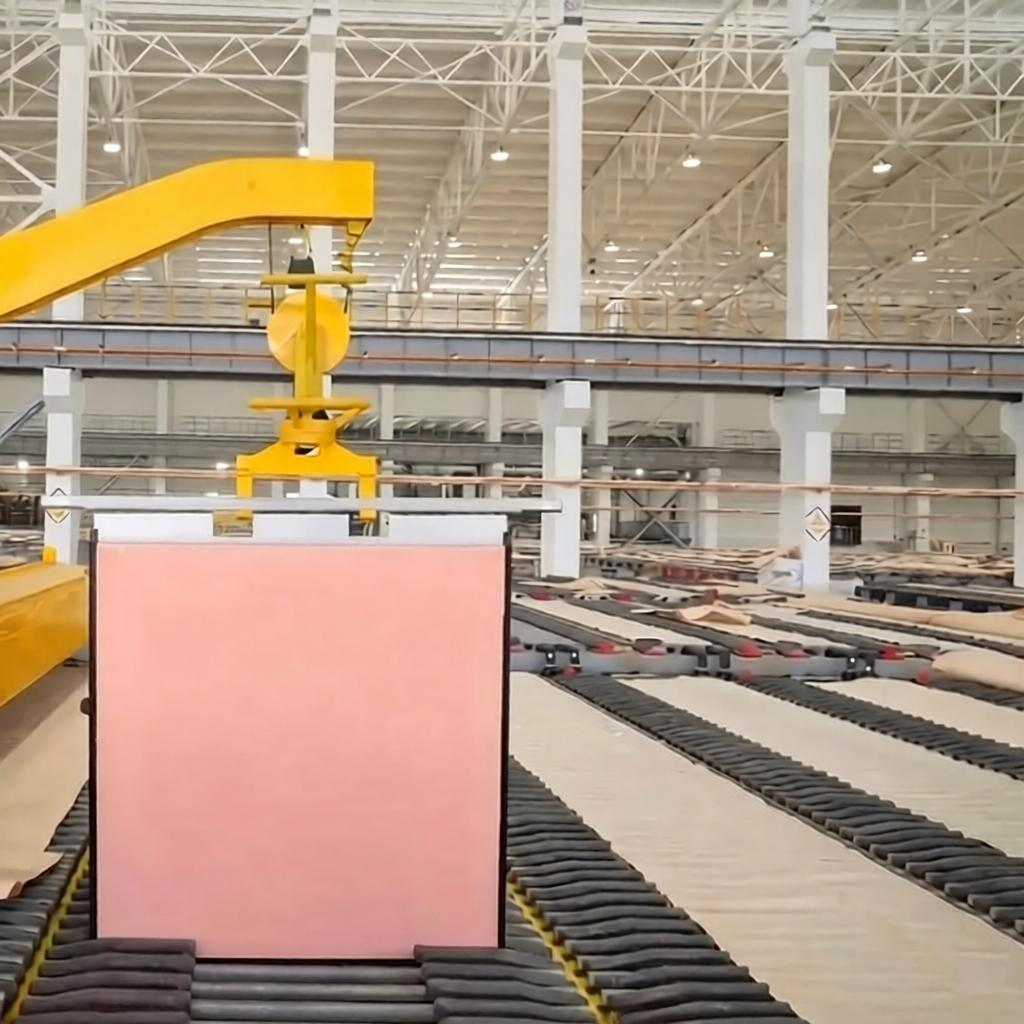
Applicable production capacity
- Small recycled copper: several hundred tons/year to several thousand tons/year complete set of electrolysis equipment
- Large-scale fire-process copper supporting facilities: 50,000 t/a, 100,000 t/a, 200,000 t/a and above large plate electrolytic workshops
key indicators
- Product: LME Grade A cathode copper Cu≥99.99%
- Current efficiency: 95%–97%
- By-product: anode mud (raw material for gold, silver and precious metal recycling)
We can provide wide-capacity customized solutions: the electrolytic refining production line can be designed one-to-one according to the pyrometallurgical blister copper, recycled miscellaneous copper raw materials, site conditions, and energy consumption indicators.