



NEWS&EVENTS
Home > News&Events > Company news > Copper Electrolytic Cell: The Core Reaction Vessel for Copper Electrorefining
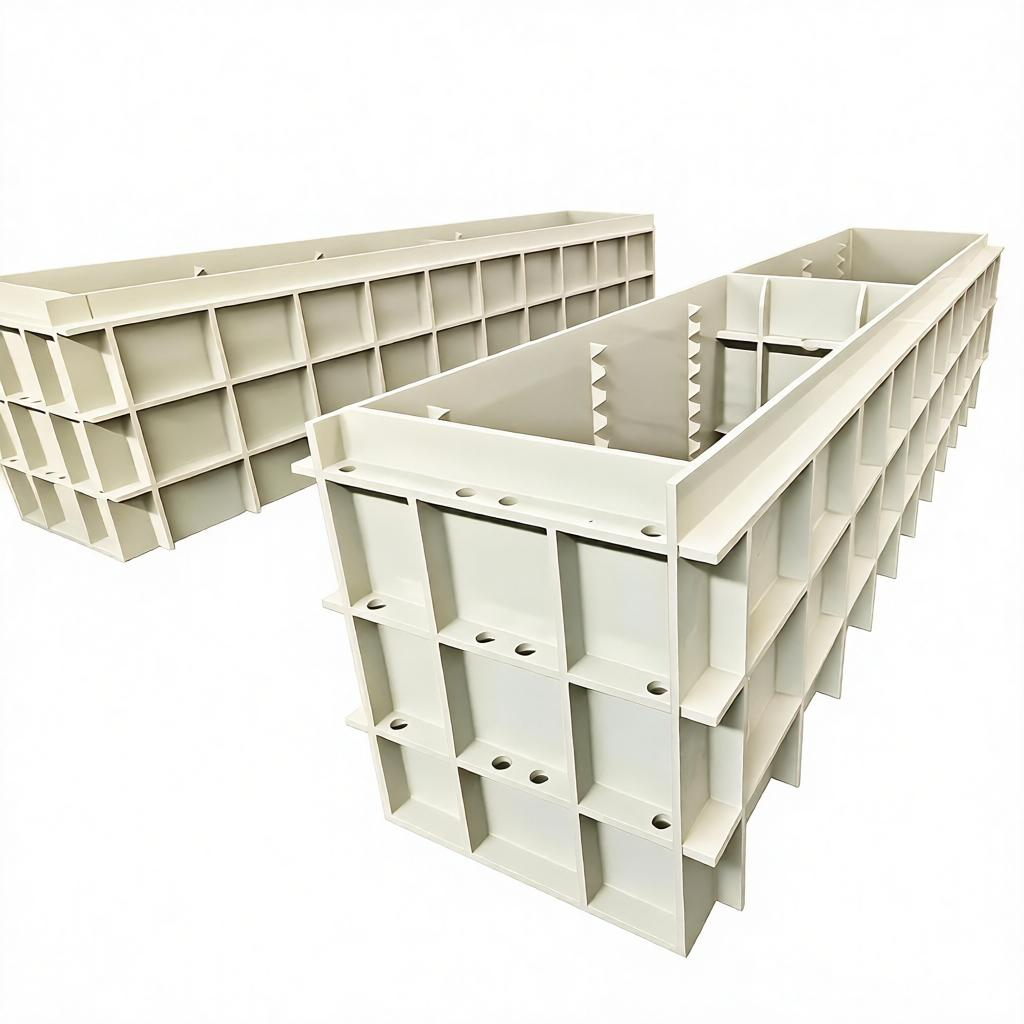
Copper electrolytic cells are core equipment in hydrometallurgical copper production and the refining of blister copper. They serve as the reaction vessels where the electrochemical processes of copper electrorefining take place, and are essential for the production of high-purity copper cathodes.
The cells are filled with a copper sulfate electrolyte, in which blister copper anodes and cathodes—either pure copper starter sheets or permanent stainless steel cathode plates—are suspended alternately. When a stable direct current (DC) is applied, the blister copper anodes dissolve, with copper atoms converting into copper ions that enter the electrolyte. Driven by the electric field, these copper ions migrate toward the cathode surface, where they gain electrons, are reduced, and deposit as high-purity electrolytic copper.
Impurities present in the blister copper do not deposit alongside the copper; some settle to form "anode slime," from which valuable metals such as gold and silver can be recovered. Other impurities remain in the electrolyte and are periodically removed via an electrolyte purification system, ensuring the efficient separation and refining of copper.
High-quality electrolytic cells are characterized by corrosion resistance, electrical insulation, structural stability, and uniform current distribution. These features ensure a continuous and stable electrolysis process, minimize issues such as short circuits, electrode deformation, or leakage, and guarantee consistent quality in the copper cathodes. This equipment is widely used in copper smelters and copper recycling facilities; it is suitable for both small-to-medium-scale production lines and large-scale refining plants, serving as a critical component in the refining of both recycled copper and blister copper.