



NEWS&EVENTS
Home > News&Events > Company news > The change of adding "refining agent" to crude antimony in refining furnace
The refining process of crude antimony is a crucial metallurgical purification step, with the core objective of removing harmful impurities such as sulfur, iron, lead, arsenic, etc. remaining in crude antimony to obtain high-purity metallic antimony that meets strict standards for downstream applications.
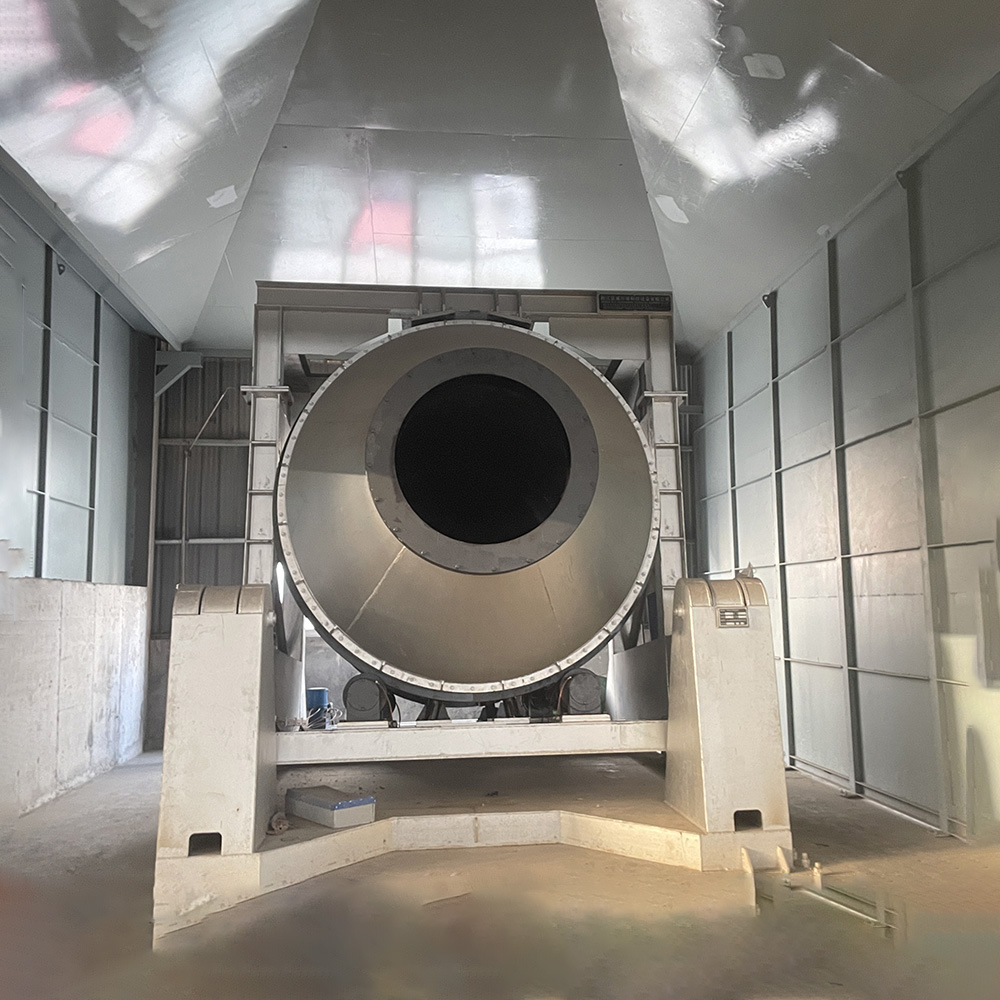
When solid or molten crude antimony is fed into a refining furnace and carefully proportioned refining agents are added, the refining agents react rapidly with impurity elements in the crude antimony to produce different compounds. For example, reacting with sulfur to form sulfides, and forming corresponding compounds with iron, lead, arsenic, etc. These newly generated compounds, due to their significantly different physical properties from antimony, will gradually separate from antimony in a molten state. Some will float up to form floating slag, while others will sink to form bottom slag.
After sufficient reaction and separation, the crude antimony with numerous impurities gradually transforms into pure liquid antimony, also known as antimony liquid. At this point, the impurity content in the antimony solution has significantly decreased, reaching a higher purity standard. This key change in physical form and chemical composition provides qualified raw materials for subsequent casting or oxidation processes. After casting pure antimony liquid ingots, high-quality antimony ingots can be obtained to meet the demand for high-purity antimony products in different industrial fields; If it enters the oxidation process, it can also produce antimony oxide products with excellent performance.
It can be said that the reaction between crude antimony and refining agents in the refining furnace is a crucial step for antimony to move from a primary product to a high-quality product, laying a solid foundation for the stable development of the antimony industry.