



NEWS&EVENTS
Home > News&Events > Company news > The process flow of copper refining using a rotary refining furnace.
Fire refining is a crucial step in the copper smelting process, transforming crude copper into refined copper that meets the requirements for electrolysis. It mainly consists of four stages: charging and melting, oxidative refining, reductive refining, and casting.
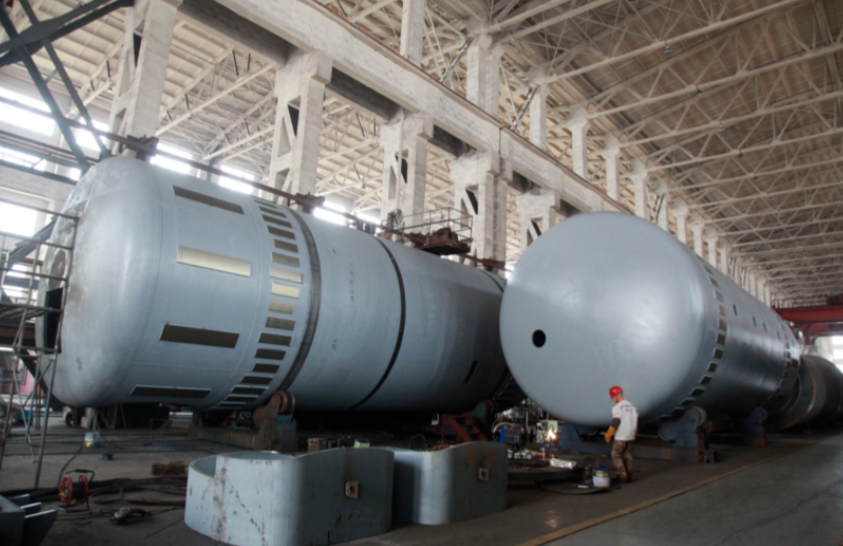
I. Charging and Melting
Crude copper plates or liquid crude copper are loaded into the refining furnace. Solid crude copper needs to be added in batches, using the high temperature inside the furnace to gradually melt it; liquid crude copper can be directly injected, accelerating the melting process and preparing for subsequent refining.
II. Oxidative Refining Stage
The purpose is to remove most of the impurities from the crude copper. The furnace body rotates to immerse the tuyeres in the molten metal. Air or oxygen-enriched air is blown in and vigorously stirred. At this time, impurities react with oxygen to form oxides, and the "slagging" process begins: sulfur generates sulfur dioxide and volatilizes, while iron, lead, zinc, etc., form complex oxides and enter the slag phase. As the reaction proceeds, molten slag containing impurity oxides forms in the furnace. When the impurity content drops to a certain level, a "slag removal" operation is performed. The furnace body is rotated to gather the slag layer at the slag outlet, and the slag is discharged through the outlet, reducing the contamination of the copper by impurities.
III. Reductive Refining Stage
The purpose is to remove the excess copper oxide generated in the previous step. The furnace body is rotated to immerse the reduction tuyeres, and a reducing agent (such as natural gas, liquefied petroleum gas, or ammonia) is introduced.
IV. Casting Stage
The refined molten copper is poured by tilting the furnace body, and the molten copper is slowly cast into anode plates through a flow channel. These anode plates will be sent to the electrolysis workshop, starting the next stage of copper purification. The various stages of fire refining work closely together to successfully transform crude copper into refined copper.
The various stages of fire refining work closely together to successfully transform crude copper into refined copper. The rotary refining furnace, with its flexible furnace body rotation design, can precisely control process parameters during the charging and melting, oxidative refining, reductive refining, and casting stages, effectively ensuring the smooth operation of each stage and greatly improving the efficiency and quality of copper fire refining. It has become an indispensable and important equipment in the copper smelting industry, helping the copper industry continuously reach new heights.