



NEWS&EVENTS
Home > News&Events > Company news > The function of the oxidation-reduction device in a copper tilting rotary furnace.
The tilting rotary furnace is widely used in copper smelting, and its oxidation-reduction system is a crucial component of this furnace type, playing a vital role.
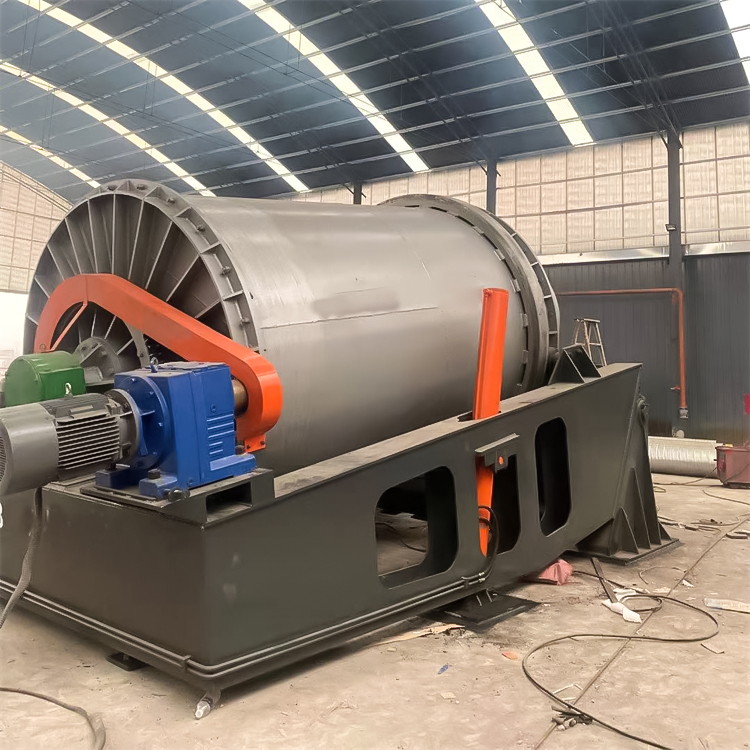
The oxidation-reduction system excels in impurity removal. During the oxidation and slagging stage, oxidation reactions convert impurity elements in the molten copper into oxides. These oxides combine with slagging agents to form slag. After the slag is separated from the molten copper, impurities are effectively removed, improving the purity of the copper. In the reduction and deoxygenation stage, reduction reactions convert copper oxides in the molten copper back into copper, reducing the oxygen content and improving the physical properties of the copper, such as ductility and conductivity.
This system can also adjust the composition of the molten copper. Through precise operation of the oxidation-reduction system, the oxygen content and other impurity elements in the molten copper can be strictly controlled, meeting the specific compositional requirements of different copper products and ensuring the production of high-quality copper products that meet standards.
The oxidation-reduction system also plays a significant role in improving refining efficiency. It features a high degree of automation, working closely with the furnace tilting system and combustion system to achieve automated control of the refining process, reducing manual intervention, increasing production efficiency, and lowering labor costs. Furthermore, its operation is highly flexible, allowing for adjustments to parameters such as the type, flow rate, and blowing time of the oxidation-reduction medium to adapt to the refining requirements of different copper materials.
In summary, the oxidation-reduction system of the tilting rotary furnace plays an indispensable role in impurity removal, molten copper composition adjustment, and improved refining efficiency. It is a key factor in ensuring the efficient and stable operation of the tilting rotary furnace and the production of high-quality copper products.