



NEWS&EVENTS
Home > News&Events > Company news > Advantages of the cylindrical structure of tiltable copper smelting furnaces
The furnace body of a tilting copper smelting furnace is typically cylindrical (or columnar). This design is widely used in the metallurgical industry, and its main advantages include:
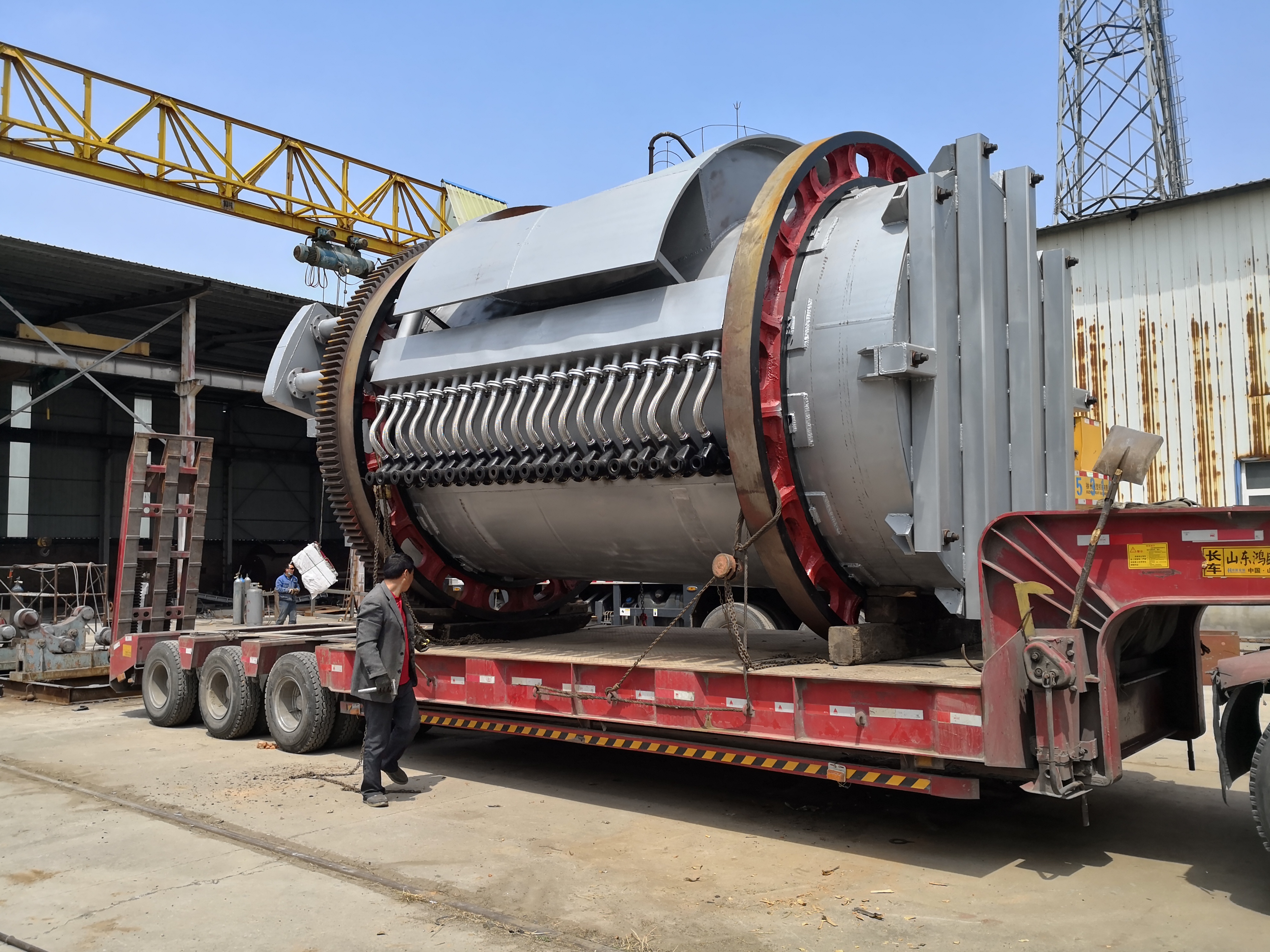
1. Simple and robust structure
The cylindrical furnace body experiences uniform stress distribution, allowing it to better withstand high temperatures and the hydrostatic pressure of the molten material inside the furnace, reducing localized stress concentrations and extending the furnace's lifespan.
The manufacturing process is mature, making it easy to weld and assemble, thus reducing construction costs.
2. Smooth tilting and high discharge efficiency
When the cylindrical furnace body is tilted, the molten material (such as molten copper and slag) flows smoothly along the inner wall, reducing splashing and residue.
By controlling the tilting angle, precise copper tapping, slag removal, or return for refining can be achieved, offering high operational flexibility.
3. Conducive to uniform reactions
When the cylindrical furnace body rotates (as in a rotary smelting furnace), it promotes the mixing of materials inside the furnace, enhancing heat transfer and chemical reactions, and improving smelting efficiency.
4. Adaptable to various process requirements
By adjusting the tilting speed and angle, and using lances (such as submerged lances), oxidation, reduction, and other operations can be performed, making it suitable for continuous or intermittent production.
5. Good sealing performance
Compared to rectangular or square furnace bodies, cylindrical furnace bodies are easier to achieve dynamic sealing, reducing flue gas leakage and benefiting environmental protection and waste heat recovery.
Application Scenarios
This type of furnace is commonly found in copper matte blowing (such as in converters) and anode refining (such as in rotary anode furnaces), and is one of the key pieces of equipment in modern copper smelting. Its design balances thermal efficiency, operational convenience, and production safety, making it a classic engineering solution in the metallurgical industry.