



NEWS&EVENTS
Home > News&Events > Company news > What are the core structural components of a rectangular aluminum melting furnace?
The rectangular aluminum melting furnace, a key piece of equipment in the aluminum processing industry, relies on the coordinated operation of its core structural components to ensure efficient and stable aluminum melting.
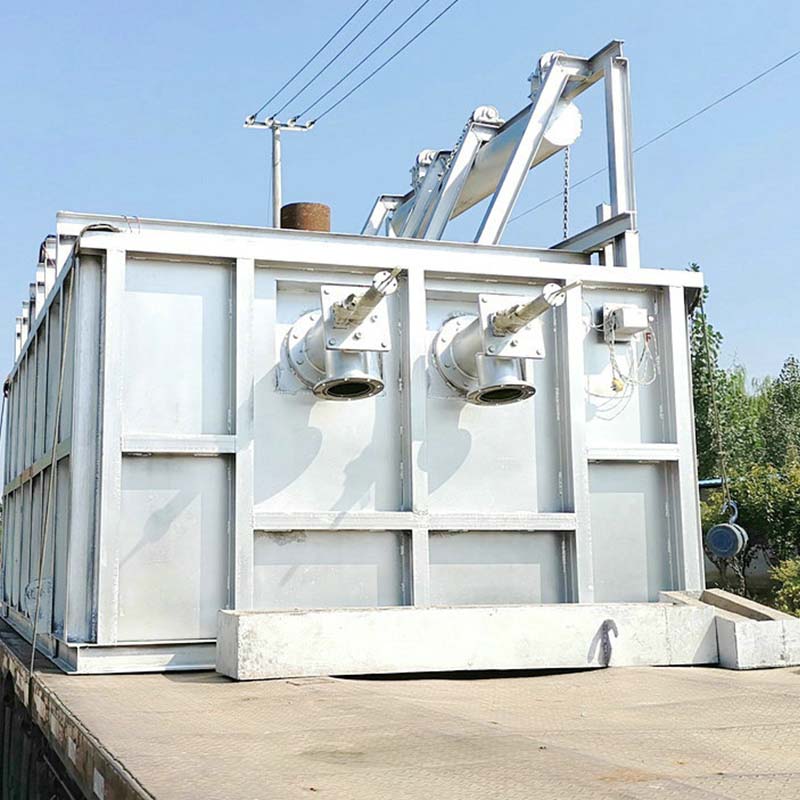
The furnace body is the basic framework of the rectangular aluminum melting furnace, lined with refractory materials such as high-alumina bricks and silica bricks. These refractory materials possess excellent high-temperature resistance, withstanding the long-term erosion of molten aluminum and high-temperature flames, ensuring the stability of the furnace structure, reducing heat loss, and maintaining a stable temperature inside the furnace, providing a reliable thermal environment for aluminum melting.
The combustion system is crucial for heat generation. Commonly, burners are used, and their proper arrangement ensures thorough mixing and combustion of fuel and air, releasing a large amount of heat and evenly heating the furnace space. Some systems use electric heating elements, converting electrical energy into heat, offering advantages such as precise temperature control and no combustion pollution, suitable for applications requiring high-quality molten aluminum.
The exhaust system is responsible for discharging the combustion gases. A well-designed exhaust pipe and ventilation equipment can promptly remove waste gases from the furnace, maintaining a good gas environment inside the furnace, preventing the accumulation of waste gases from affecting combustion efficiency and molten aluminum quality, and reducing environmental pollution.
The molten aluminum circulation system, through stirring devices, circulates the molten aluminum within the furnace, promoting uniform heat transfer, ensuring consistent molten aluminum temperature, and improving melting quality and efficiency.
The temperature control system uses thermocouples and other temperature measuring elements to monitor the furnace temperature in real time, feeding the signal back to the controller, which automatically adjusts the power of the combustion system or electric heating elements to achieve precise temperature control.
The furnace door and sealing device facilitate loading, unloading, and maintenance operations. Good sealing performance effectively prevents heat leakage and the entry of outside air, reducing energy consumption and ensuring stable process conditions inside the furnace.