



NEWS&EVENTS
Home > News&Events > Company news > Four key factors in selecting refractory materials for rectangular aluminum melting furnaces.
In the manufacturing of rectangular aluminum melting furnaces, the selection of refractory materials is crucial, directly impacting the furnace's performance, service life, and production efficiency. As a professional manufacturer of rectangular aluminum melting furnaces, we understand that choosing the right refractory material requires considering various factors.
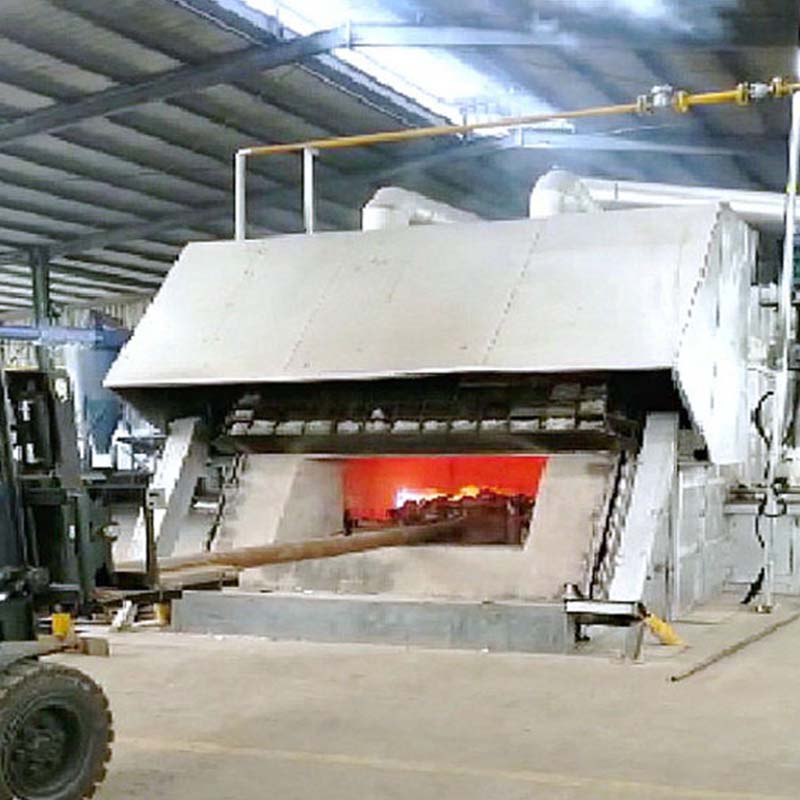
High-temperature resistance is paramount. During operation, the molten aluminum reaches high temperatures, and the heating elements also generate intense heat. The refractory material must withstand this high-temperature environment, ensuring that it does not soften, deform, or be damaged under prolonged high-temperature operation, maintaining the structural stability of the furnace and providing a reliable space for aluminum melting.
Corrosion resistance is also essential. Molten aluminum and fluxes have strong chemical activity and can chemically corrode the refractory material. If the refractory material has poor corrosion resistance, it will be gradually corroded during long-term use, leading to thinning of the lining, which not only affects the insulation effect but may also cause safety accidents such as molten aluminum leakage, increasing production costs and safety risks.
Thermal insulation performance is equally critical. Using materials with low thermal conductivity as the furnace lining effectively reduces heat loss to the outside, lowers energy consumption, improves energy utilization efficiency, and saves production costs for the enterprise. At the same time, good thermal insulation performance also makes the temperature inside the furnace more uniform and stable, which is conducive to improving the quality of molten aluminum and melting efficiency.
Thermal shock stability must also be considered. Rectangular aluminum melting furnaces undergo repeated heating and cooling during the production process. The refractory material needs to have good thermal shock stability to resist the thermal stress caused by these rapid temperature changes, preventing cracking and spalling of the furnace lining, and extending its service life.
In summary, the selection of refractory materials for rectangular aluminum melting furnaces requires a comprehensive consideration of factors such as high-temperature resistance, corrosion resistance, thermal insulation performance, and thermal shock stability to create a high-performance, long-lasting melting furnace that meets the production needs of our customers.