



NEWS&EVENTS
Home > News&Events > Company news > Technical Principles and Process Adaptability of Rotary Furnaces for Antimony Smelting
Pyrometallurgical antimony smelting is a pivotal method in the industry; its core principle lies in ingeniously leveraging the low-temperature volatility of antimony sulfides to achieve the successful separation of antimony from gangue through oxidation or reduction reactions. The rotary furnace for antimony smelting is meticulously designed based on these fundamental metallurgical physicochemical principles, demonstrating exceptional adaptability to diverse processing requirements.
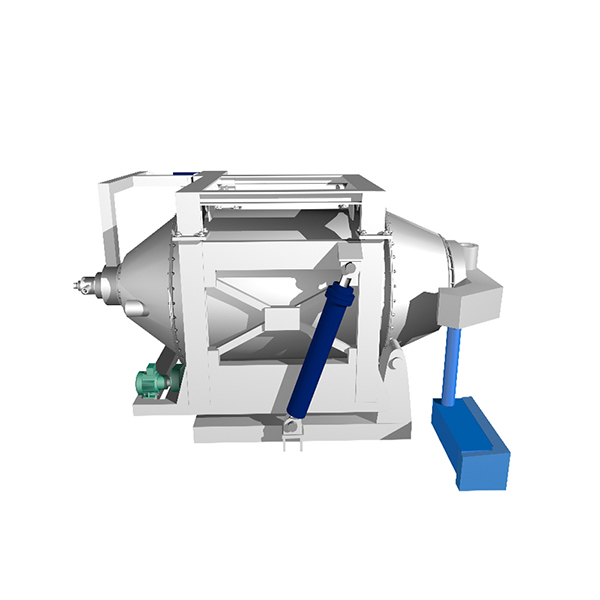
The rotary furnace plays a critical role during the volatilization roasting stage. When processing antimony sulfide ores (Sb₂S₃), the furnace establishes a robust oxidizing atmosphere. Under high-temperature conditions, the antimony sulfide reacts thoroughly with oxygen to generate volatile antimony trioxide (Sb₂O₃); this trioxide subsequently escapes with the flue gas, thereby achieving highly efficient separation from the gangue minerals and significantly boosting antimony extraction efficiency. Conversely, when processing oxidized antimony ores, the rotary furnace demonstrates flexible control capabilities. By precisely regulating the carbonaceous atmosphere within the furnace, higher-valence antimony oxides are reduced to their lower-valence, volatile forms—thereby achieving the same objective of separating the antimony from the gangue.
This rotary furnace equipment exhibits extraordinary adaptability to a wide range of raw materials. Whether processing high-grade antimony sulfide concentrates—characterized by relatively simple compositions and low impurity levels, making them easier to treat—or low-grade lump ores and mixed ores—which feature complex compositions and high impurity content, posing greater processing challenges—or even secondary resources such as antimony-bearing waste residues—known for their highly variable compositions and unstable properties—the rotary furnace handles them all with ease. Through customized furnace structural designs combined with the fine-tuning of process parameters, the system ensures that all types of raw materials undergo stable and efficient processing within the furnace, thereby maximizing the extraction of antimony resources.
Leveraging its sound technical principles and exceptional process adaptability, the antimony smelting rotary furnace provides a reliable and highly efficient solution for the antimony smelting industry, thereby serving as a powerful catalyst for the sustainable development of the antimony sector.