



NEWS&EVENTS
Home > News&Events > Company news > Structural Design and Manufacturing Advantages of Rotary Furnaces for Antimony Smelting
In the field of antimony smelting, high-quality equipment is the key to efficient production; our antimony smelting rotary furnaces, distinguished by their exquisite manufacturing craftsmanship and rigorous quality control systems, demonstrate numerous outstanding advantages in both design and construction.
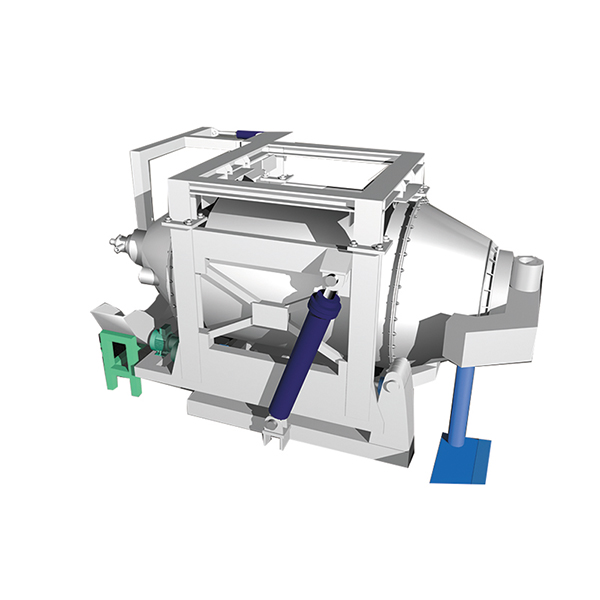
The furnace body structure and material selection have been meticulously engineered. The furnace shell is fabricated from specialized high-temperature-resistant, oxidation-resistant steel plates that are rolled and welded together. Following welding, the structure undergoes an annealing process to relieve internal stresses, ensuring that it remains free from deformation even during prolonged operation at high temperatures—thereby laying a solid foundation for stable production. Internally, refractory materials—specifically high-alumina or magnesia-chrome varieties—are scientifically selected and configured based on the distinct temperature and atmospheric characteristics of the various operational zones: the preheating section, the reaction section, and the cooling section. These materials effectively withstand extreme temperatures exceeding 1400°C, as well as the corrosive effects of acidic and alkaline slags, thereby significantly extending the furnace's service life and reducing equipment replacement costs.
The precise drive and temperature control systems constitute a major highlight of our rotary furnaces. The drive mechanism incorporates variable-frequency speed control technology, allowing the rotational speed to be flexibly adjusted between 0.5 and 1.5 revolutions per minute; this ensures that the materials within the furnace are afforded ample time to complete their chemical reactions. The multi-stage temperature-controlled combustion system is a particularly exceptional feature; compatible with various energy sources—including natural gas, coal gas, heavy oil, or electric heating—it enables the establishment of precise temperature gradients and atmospheric environments within the furnace. This capability simultaneously satisfies the distinct thermal regime requirements of both oxidative volatilization and reductive smelting processes, thereby enhancing the precision and efficiency of the overall smelting operation.
The antimony smelting rotary furnace also excels in its integrated design for high-efficiency sealing and environmental protection. To address the common issue of flue gas leakage during antimony smelting, advanced sealing mechanisms are deployed at critical junctions—such as the furnace head and tail—and are utilized in conjunction with a micro-negative pressure operating mode. This configuration effectively prevents the escape of dust-laden flue gases, thereby not only improving the working environment and safeguarding worker health but also boosting metal recovery rates—achieving a win-win outcome that delivers both economic benefits and environmental sustainability.