



NEWS&EVENTS
The maintenance and upkeep of copper electrolytic cells are critical to ensuring stable electrolytic copper production, superior product quality, and the safe operation of equipment. The primary maintenance tasks are outlined below:
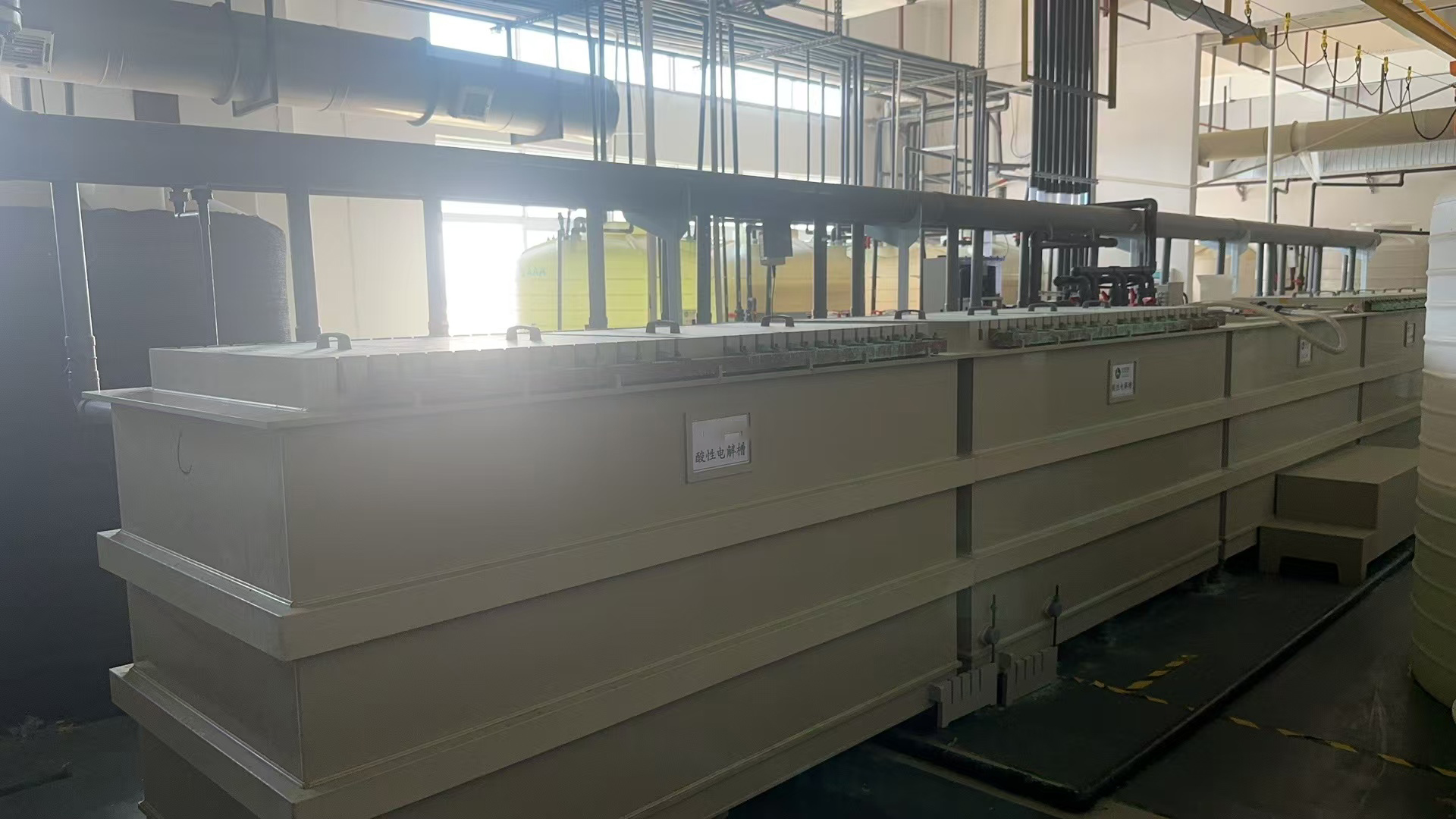
I. Regular Cleaning of Electrodes and Cell Bodies
During electrolysis, impurities tend to accumulate on electrode surfaces and the inner walls of the cells, negatively impacting current efficiency and product quality. Therefore, scheduled cleaning—utilizing high-pressure water or chemical methods—is required to ensure clean surfaces and enhance electrical conductivity.
II. System Treatment Following Cell Shutdown
When shutting down a cell for inspection or repair, the process begins with polarization to eliminate residual potential differences. This is followed by electrolyte circulation to lower the temperature, replacement of the electrolyte, and sampling for analysis. Once the analysis results are satisfactory, depolarization is performed before draining the electrolyte to prevent short circuits and corrosion.
III. Isolation of Piping Systems via Blind Flanges
During maintenance operations, relevant piping systems are isolated using blind flanges. This effectively separates the cell undergoing repair from the active operating system, thereby ensuring operational safety.
IV. Lifting, Inspection, and Grinding of Electrodes
Anode and cathode plates undergo periodic lifting, replacement, inspection, and grinding. This process removes oxide layers and granular deposits, improves current distribution, and enhances overall electrolysis efficiency.
V. Removal of Anode Slime from Cells
Anode slime contains precious metals; therefore, it is periodically extracted or scraped out to recover valuable metals and prevent interference with the normal progress of the electrolysis process.
VI. Inspection and Repair of Conductive Systems and Insulating Components
Conductive connections are periodically tightened, oxide layers are ground away, and aging insulating components are inspected and replaced to prevent current leakage and corrosion caused by stray currents.
VII. Purification of Electrolyte
The electrolyte undergoes periodic purification treatments to control impurity levels, maintain electrolyte activity, and ensure consistent product quality.
In summary, the maintenance and upkeep of copper electrolytic cells constitute a systematic undertaking involving multiple specialized disciplines. By strictly adhering to the aforementioned procedures, it is possible to achieve long-cycle, high-efficiency, and low-cost stable operation of the equipment.