



NEWS&EVENTS
Home > News&Events > Company news > Complete Gold Electrolysis Equipment for Precious Metal Refining and Purification
In the refining of precious metals, electrolytic purification is a pivotal process for obtaining high-purity gold powder. The complete gold electrolysis system serves as the core equipment; consequently, its design and operational stability are critical to ensuring both product purity and production efficiency.
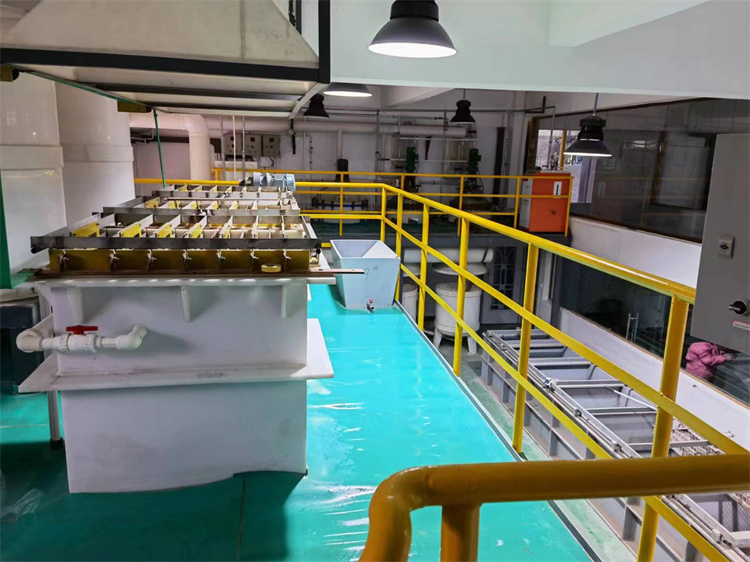
A comprehensive gold electrolysis system comprises several core components: the electrolytic cell, a high-frequency switching DC power supply, an electrolyte circulation and filtration system, cathode plates, and anode frames. These individual units work in concert to ensure that the electrolysis process is efficient, controllable, and yields a pure product.
The electrolytic cell acts as the reaction vessel; constructed from corrosion-resistant materials, it is designed to withstand the prolonged corrosive effects of acidic electrolytes. The cathode plates and anode frames serve as carriers for the cathode starter sheets and the crude gold anodes, respectively; their structural design is engineered to ensure a uniform distribution of electric current. The high-frequency switching DC power supply provides a stable and adjustable current for the electrolysis process. Compared to traditional silicon rectifier power supplies, it features a more compact footprint, higher efficiency, and lower output ripple, enabling precise control over the electrochemical reaction rate and facilitating the dense deposition of gold onto the cathode.
Effective management of the electrolyte is paramount to product quality. The complete system employs a forced-circulation mechanism to maintain a continuous flow of electrolyte within the cell, thereby ensuring uniform concentration and constant temperature throughout the reaction zone. This approach enhances current efficiency and prevents fluctuations in the quality of the cathode deposit. Furthermore, the system is equipped with purification units designed to periodically remove accumulated base metal impurities—such as copper, bismuth, and lead—from the electrolyte. This prevents the enrichment of impurities, which could otherwise compromise the purity of the cathode gold powder or even lead to anode passivation, thereby ensuring the long-term, stable production of high-purity cathode gold powder.
In summary, by optimizing its structural design, electrical controls, fluid circulation, and purification mechanisms, the complete gold electrolysis system provides precious metal refining enterprises with a reliable technological pathway for transforming crude gold into high-purity gold powder.