



NEWS&EVENTS
Home > News&Events > Company news > Control Methods for Temperature and Rotation Speed in Rotary Aluminum Melting Furnaces
Controlling the temperature and rotational speed of a rotary aluminum melting furnace is crucial for ensuring both production efficiency and the quality of the molten aluminum. In practice, the guiding principle typically followed is: "Prioritize Temperature, Supplement with Speed, and Determine Parameters via Test Runs."
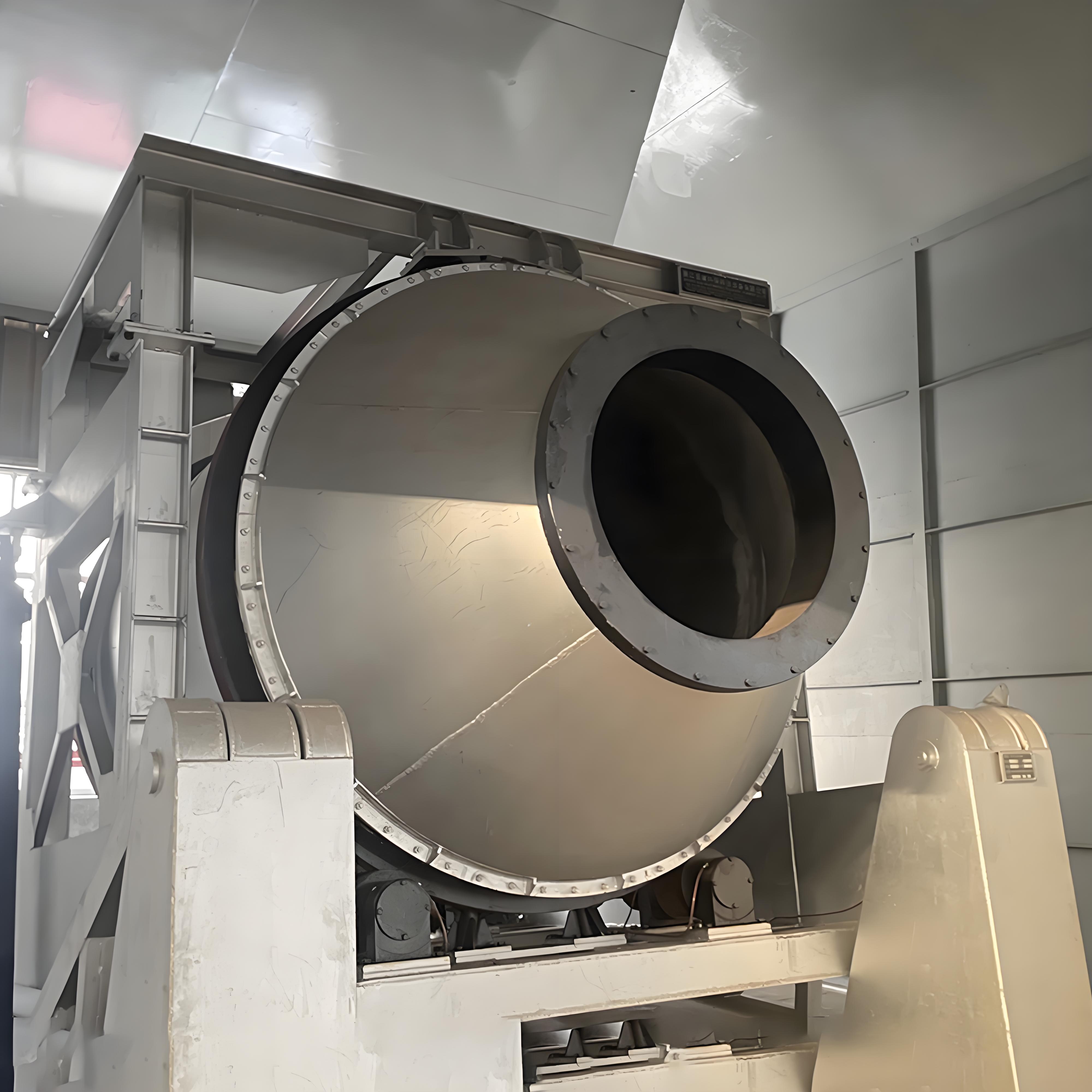
Temperature control is managed through a zone-based system; the furnace body is divided into distinct sections—such as a preheating zone and a reaction zone—each independently equipped with thermocouples and heating elements. Through real-time adjustments utilizing PID algorithms, temperature control accuracy can be maintained within a range of ±1 to 5°C. At the feed end, measures must be taken to prevent material agglomeration (clumping). The temperature within the reaction zone is set according to the specific aluminum processing requirements—for instance, when casting aluminum alloys, the temperature is typically maintained between 700°C and 730°C.
Rotational speed control, measured in revolutions per minute (r/min), directly determines the material's residence time within the furnace. A higher rotational speed results in a shorter residence time, while a lower speed results in a longer one. The typical adjustment range for rotational speed is between 0.1 and 10 r/min. Materials that react rapidly are best processed at higher speeds, whereas those with slower reaction rates require lower speeds. Furthermore, the rotational speed must be synchronized with both the material feeding rate and the furnace body's angle of inclination.
Practical Recommendations: Prior to launching a new production process, it is advisable to conduct small-batch test runs. By comparing the quality of the molten aluminum and energy consumption across various combinations of temperature and rotational speed settings, the optimal operating parameters can be determined. During operation, strict attention must be paid to proper ventilation and personal protective measures. By adhering to the principle of "Prioritize Temperature, Supplement with Speed, and Determine Parameters via Test Runs," production stability can be effectively ensured.
If you would like to learn more about the process parameters for rotary aluminum melting furnaces, please feel free to leave a comment or inquiry.