



NEWS&EVENTS
Home > News&Events > Company news > Composition of the Core System and Equipment Structure of the Antimony Rotary Furnace
The antimony rotary furnace serves as the core equipment in the pyrometallurgical production of antimony; its efficient and stable operation relies on the synergistic coordination of five major core systems. The composition and structural characteristics of each system are outlined below:
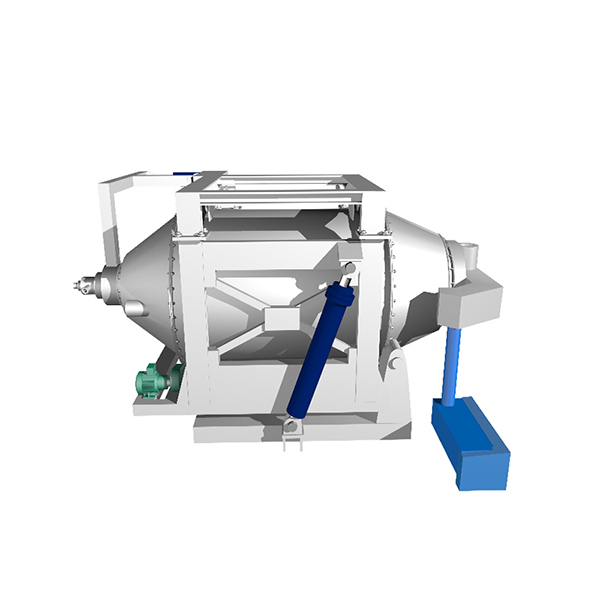
furnace Body System: The furnace body consists of a cylindrical steel shell lined internally with multiple layers of refractory material to withstand erosion by high-temperature melts and thermal shock. The exterior of the cylinder is fitted with riding rings (tires), which are supported by support rollers and thrust rollers to ensure the furnace body remains stable and properly aligned during rotation, thereby preventing axial displacement.
Drive System:Comprising a variable-frequency motor, a reducer, and a gear train. The variable-frequency motor enables stepless speed control; after the torque is amplified by the reducer, the gear train drives the furnace body to rotate smoothly at a preset speed. This allows for flexible adjustment of the material's residence time within the furnace, satisfying the specific roasting or reduction requirements of various operating conditions.
Combustion and Heating System:Employs multi-stage temperature-controlled burners capable of utilizing various energy sources, including natural gas, fuel oil, or electric heating. Temperature is precisely controlled in distinct zones along the length of the kiln to establish the required temperature gradient, thereby facilitating the efficient heating of antimony materials and optimizing the reaction processes.
Sealing System: High-efficiency sealing devices are installed at the dynamic-static interfaces—specifically at the furnace head and kiln tail. These devices utilize structures such as labyrinth seals, air seals, or flexible seals to effectively prevent the leakage of internal flue gas and the ingress of external air, thereby maintaining a stable atmosphere within the furnace while simultaneously minimizing heat loss and environmental pollution.
Dust Collection and Flue Gas Treatment System: Includes equipment such as annular flues, baghouse dust collectors, and desulfurization towers. High-temperature flue gas is collected via the annular flue before entering the baghouse dust collector to recover valuable antimony dust resources; subsequently, the gas undergoes treatment in the desulfurization tower to meet emission standards, thereby achieving environmentally friendly production and the recovery and utilization of valuable components.
These five major systems work in close coordination to collectively ensure the continuous, safe, and clean operation of the antimony rotary furnace.