



NEWS&EVENTS
Electrolytic refining represents the "gold standard" in scrap copper recycling, offering the following core advantages:
Superior Purification Capability:While fire refining typically yields copper with a purity of only 98.5% to 99.5%, the electrolytic method consistently produces high-purity copper—reaching 99.99%—thereby meeting the stringent requirements of the electrical, electronics, and renewable energy sectors, and effectively minimizing power transmission losses.
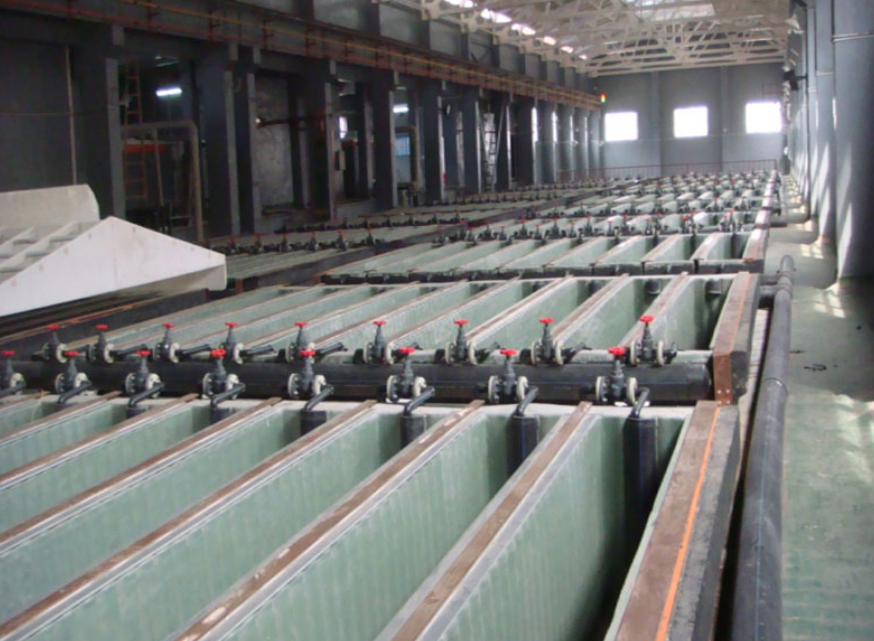
Simultaneous Recovery of Precious Metals:Precious metals such as gold, silver, platinum, and palladium remain insoluble during electrolysis, precipitating as "anode slime." These serve as high-value byproducts that significantly enhance economic returns, making the process particularly well-suited for electronic waste processing applications.
Environmental Friendliness:The process operates at a relatively low temperature of approximately 60°C, resulting in low energy consumption and virtually zero emissions of harmful gases or particulate matter; this makes it a cleaner and more sustainable alternative to traditional high-temperature smelting methods.
Flexibility and Scalability:By adjusting parameters such as current density and electrolyte composition, product characteristics can be precisely controlled, making the technology adaptable to operations ranging from small-scale laboratories to large-scale industrial facilities.
In summary, when the objective is to achieve high purity or when raw materials contain recoverable precious metals, electrolytic refining stands as the optimal solution—offering a perfect balance of economic viability and environmental sustainability.