



NEWS&EVENTS
The efficient recovery of antimony trioxide (Sb₂O₃) from the flue gas generated during rotary furnace smelting relies primarily on a synergistic process combining "annular flue gas precooling and settling" with "baghouse fine recovery." The core of this process lies in precise temperature control and high-efficiency filtration.
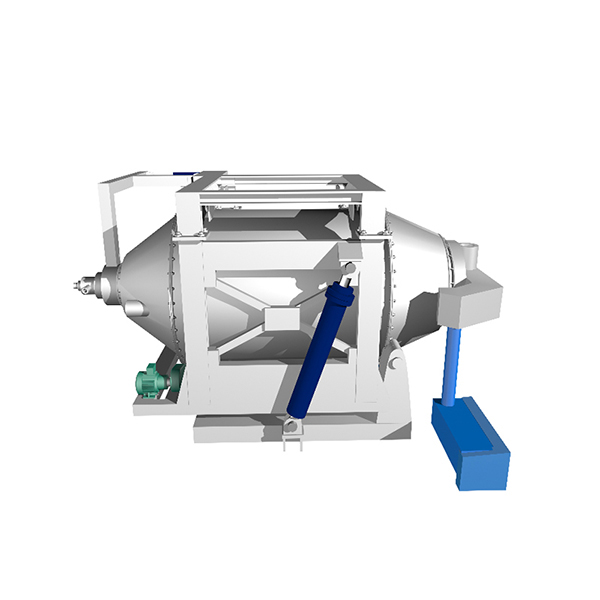
1. Annular Flue: Temperature Control and Pre-dedusting
Flue gas enters the annular flue at approximately 1200°C and is rapidly cooled to a range of 550–600°C through a combination of natural heat dissipation and forced air cooling. This specific temperature range serves a dual purpose: it prevents the premature condensation of Sb₂O₃ vapor (which would precipitate prematurely and clog the ducts if temperatures dropped below 500°C), while simultaneously allowing the majority of high-temperature coarse dust to settle naturally due to the sudden reduction in gas velocity. The annular flue thus fulfills the dual functions of preliminary dust removal and precise temperature control, creating stable operating conditions for the subsequent baghouse filtration stage.
2. Baghouse Collector: High-Efficiency Fine Recovery
The cooled flue gas then enters the baghouse collector, which utilizes filter bags made of PPS or PTFE-laminated materials—chosen for their high-temperature resistance (capable of continuous operation at 250°C), hydrolysis resistance, and corrosion resistance. The PTFE lamination facilitates surface filtration, achieving a capture efficiency of ≥99.9% for fine Sb₂O₃ particles. The collected powder constitutes high-purity, commercial-grade antimony trioxide, which can be sold directly without requiring further processing. The selection of filter bag materials carefully balances the demands of high-temperature flue gas conditions with the presence of acidic gases, thereby ensuring stable, long-term operation.
Through the two aforementioned process stages, the low-temperature agglomeration and clogging of Sb₂O₃ were prevented, while a nearly complete recovery of resources was achieved; furthermore, the tail gas from the rotary furnace smelting met emission standards, yielding significant economic and environmental benefits.