



NEWS&EVENTS
Home > News&Events > Company news > How should abnormal pressure during the operation of an antimony rotary furnace be handled?
Abnormal pressure fluctuations (sudden spikes or drops) during the operation of an antimony rotary furnace are critical warning signs. The following "ironclad rules" must be strictly observed: immediate cutoff, multi-dimensional troubleshooting, and no resumption of production until the hazard is eliminated.
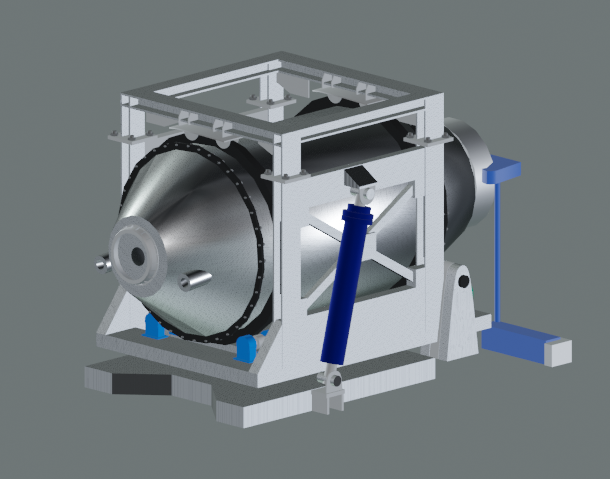
1. Emergency Cutoff: Eliminate the Trigger (Primary Action)
If the pressure gauge deviates significantly from the normal range, the central control operator must immediately stop the belt feeder via the VFD interlock to precisely cut off the raw material supply. This action aims to rapidly halt violent reactions, preventing pressure escalation caused by material overload or runaway reactions, and averting risks such as flame ejection or furnace vessel rupture.
2. Inspect Airflow: Diagnose Blockages (Core Diagnosis)
Pressure anomalies are often caused by ventilation system failures. Immediate checks are required:
Pressure present but no airflow: Check if the induced draft fan VFD has tripped or if the drive belt is slipping.
Positive pressure with smoke/flame ejection at the furnace head: This is highly likely due to accretion/blockage on the flue walls or excessive pressure differential across the baghouse dust collector. Emergency activation of the bypass exhaust valve is required to relieve pressure and prevent high-temperature flue gas backflow from damaging seals.
3. Verify Instrumentation and Adjust Temperature
Rapidly compare temperature readings from the three furnace thermocouples. If rapid heating has caused a gas burst within the material bed, manually reduce burner output. Simultaneously, calibrate transmitters to rule out false alarms caused by crystallization or blockages in the pressure sensing lines.
4. Professional Repair and Strict Adherence to Safety Limits
If pressure does not return to a controllable range within 15 minutes of the aforementioned adjustments, an emergency full-line shutdown must be initiated immediately. Evacuate personnel from the furnace front and dispatch maintenance staff—equipped with positive-pressure breathing apparatus—to inspect the furnace-tail dust collection system. Unauthorized ignition or resumption of production is strictly prohibited until fan and seal repairs are complete and dynamic pressure tests are successful; the safety red line regarding high-temperature melt ejection must be firmly upheld.