Recycled copper electrolysis equipment is the core machinery used to refine scrap copper materials (such as waste wires, cables, and circuit board etching solutions) into high-purity copper cathodes (typically reaching 99.99% purity) through electrochemical principles.
A complete recycled copper electrolysis system typically consists of the following components:
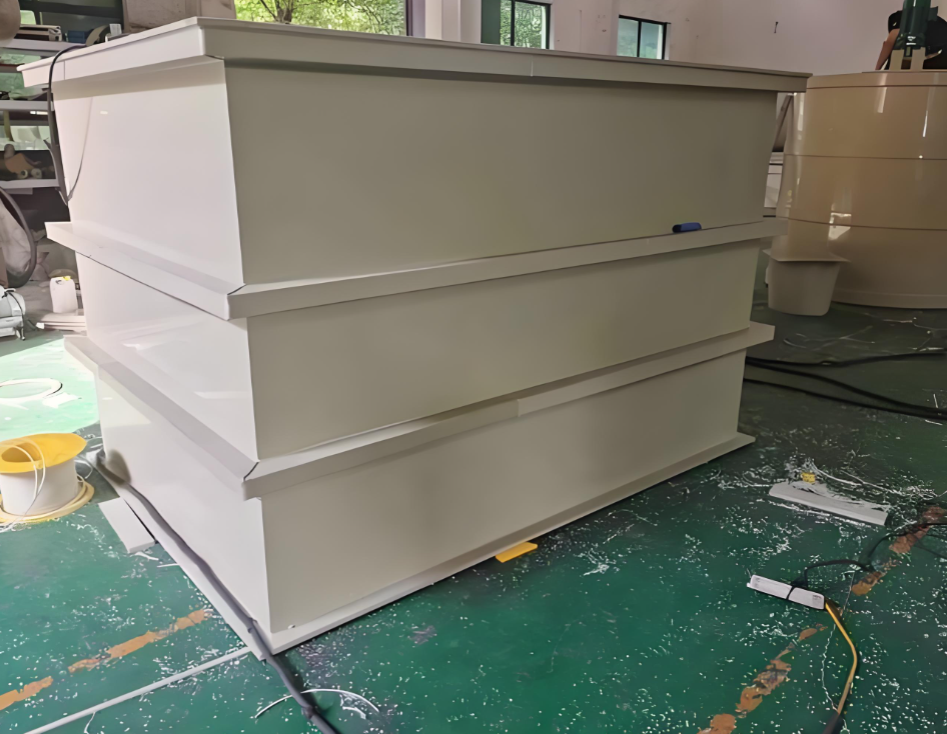
1. Electrolytic Cells: Vessels that hold the electrolyte and electrodes. Advanced projects often utilize monolithic resin cells, which offer advantages such as long service life, high strength, low maintenance, and excellent leak-proof properties. Other designs may use welded polypropylene (PP) panels or brick-and-concrete structures.
2. Power and Control Systems: These include rectifiers that supply direct current (DC) for the electrolysis process and fully automated PLC control systems for precise operation.
3. Electrolyte Circulation and Temperature Control Systems: Comprising circulation tanks, acid-resistant pumps, and other components, these systems maintain stable electrolyte concentration and temperature. Some systems also feature boilers or titanium heaters to regulate the reaction temperature.
4. Electrode Materials: To enhance efficiency and durability, titanium-based electrodes with precious metal coatings are commonly used.
5. Automated Auxiliary Equipment: Automated production machinery, such as cathode stripping units.
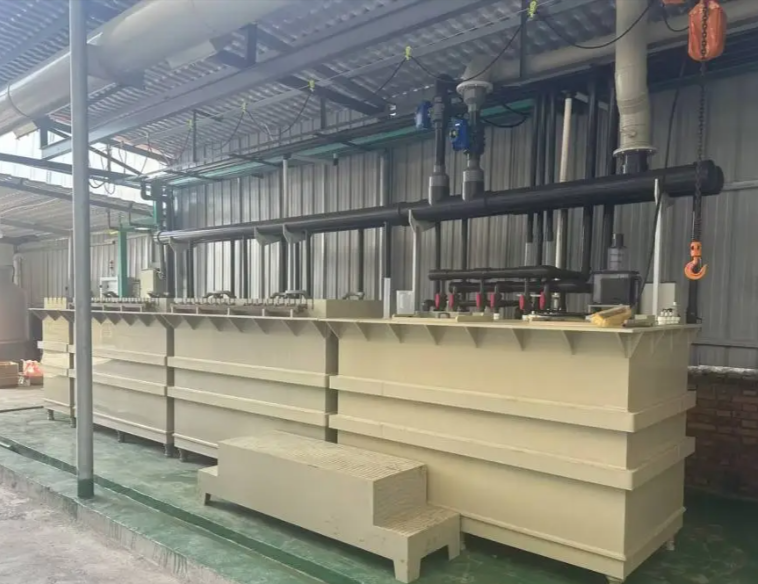
When selecting recycled copper electrolysis equipment, it is necessary to consider factors such as the type of raw material (scrap copper, etching solution, etc.), target production capacity, and the desired level of automation. Current trends in equipment development focus on larger scales, intelligent operation, and eco-friendliness to achieve higher recovery efficiency, lower energy consumption, and superior environmental benefits.
If you can provide more information regarding your raw material type, planned production capacity, or budget, I can assist you with a more detailed analysis.