As high-end manufacturing demands increasingly higher purity for copper materials, the green, high-value recycling of copper scrap has become a focal point for the industry. Electrolytic refining is the mainstream process for producing high-purity cathode copper (≥99.95% purity); consequently, equipment selection directly impacts product quality, environmental compliance costs, and economic returns. This article outlines the applicable feedstocks and scenarios, core advantages, and key selection criteria for copper scrap electrolysis equipment.
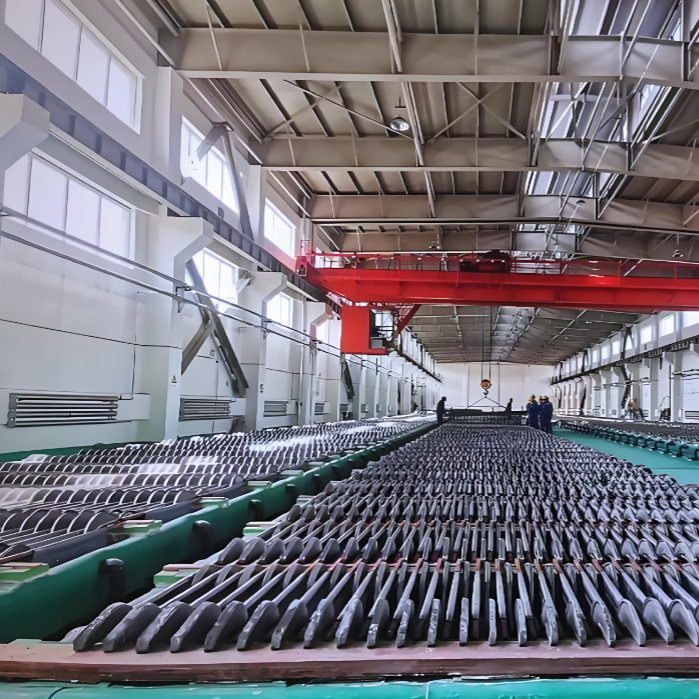
This process route is specifically designed to handle a wide range of copper scrap materials:
Waste cables: Stripped or shredded waste copper wire.
Domestic and industrial waste: Discarded copper items and copper alloy offcuts.
Special alloys: When processing brass or bronze, non-copper metals such as zinc and tin must be separated during the smelting stage to ensure electrolyte purity.
Superior purification performance: Produces cathode copper with a stable purity of ≥99.95%, suitable for high-end conductive applications such as wires, cables, and flat wires for new energy vehicles; commands a significantly higher market price than standard recycled copper.
Comprehensive precious metal recovery: Features an integrated anode slime recovery system that efficiently concentrates rare and precious metals—such as gold, silver, and platinum—present in the feedstock. This additional revenue stream is often the key factor in achieving project payback.
Proven process expertise: High technological maturity, stable equipment operation, short operator training periods, and controllable investment risks.
When selecting a supplier for electrolysis equipment, it is recommended to focus on the following critical specifications:
Impurity tolerance (for low-grade feedstock):
If the impurity content of your copper scrap exceeds 5%, you must choose an equipment solution featuring "enhanced pre-treatment + high impurity-tolerance electrolysis." Specifically, verify the inclusion of high-efficiency electrolyte purification/filtration systems and independent impurity removal units to mitigate the interference of impurities like arsenic, antimony, and bismuth with cathode deposition.
Alignment of production capacity and return on investment:
Based on your target annual capacity (e.g., standard 5,000 t/a or 10,000 t/a production lines), precisely calculate the required number of electrolytic cells and the current density per cell. It is recommended to maintain a production capacity buffer of 10%–15% to accommodate fluctuations in raw material supply.
Mandatory Environmental Compliance Requirements:
Passing the environmental protection acceptance inspection is critical for the project to commence operations. Priority must be given to equipment featuring standard enclosed acid mist collection and treatment systems to ensure that workshop sulfuric acid mist emission concentrations meet national standards (with a recommended design target of ≤30 mg/m³). Additionally, automated anode slime washing and enclosed transport systems are essential to mitigate the risk of soil contamination.